Twin Shaft Mixer vs Planetary Mixer: Which One Is Right for Your Concrete Plant?
Quick Answer
Twin shaft mixers and planetary mixers are two mainstream forced mixers for concrete batching plants. They differ greatly in mixing movement, production capacity and suitable materials. This article helps you make a quick selection.
 AuthorYUZHIXIN
Published
Updated
2 min read
The mixer is the core heart of a concrete batching plant. Twin shaft mixers and planetary mixers are both widely used, but designed for different production goals.
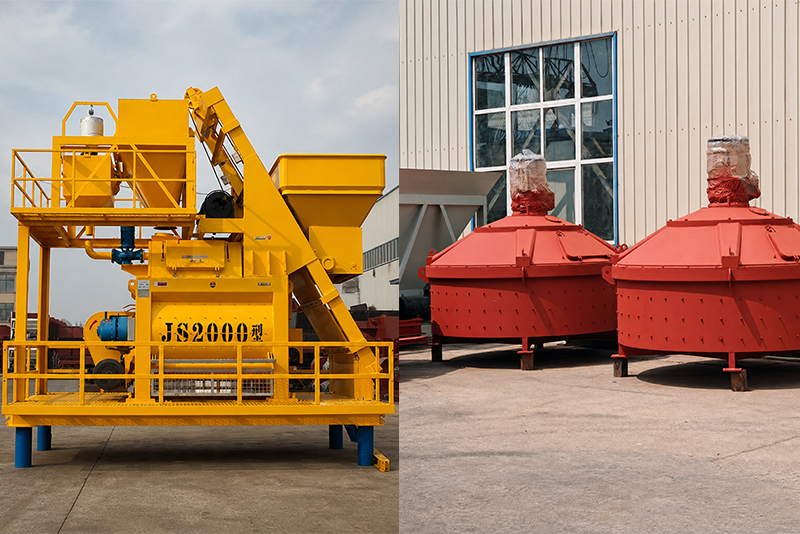
A twin shaft mixer has two horizontal counter-rotating shafts with mixing arms. It creates strong convection mixing, short mixing cycles and supports large hourly output. It works well for standard ready-mix concrete with big aggregates. It is the common choice for commercial batching plants and road construction projects. One weakness is the shaft-end sealing, which needs regular maintenance to prevent slurry leakage.
A planetary mixer is vertical pan-type. Its mixing stars rotate on their own axis while revolving around the center. This compound movement covers nearly every corner without dead zones. It delivers excellent homogeneity for dry concrete, fiber concrete, UHPC and precast elements. It is popular for block factories, precast component workshops and special concrete production. Its batch capacity is usually smaller and the mixing cycle is longer.
Simple selection guide:
Choose twin shaft mixer if you need high continuous output for normal ready-mix concrete. Choose planetary mixer if you produce precast products, dry mix or special high-performance concrete.
We supply both twin shaft and planetary mixers matched with different batching plants. Contact us for the proper mixer solution.
Related Articles
Other Articles You May Like
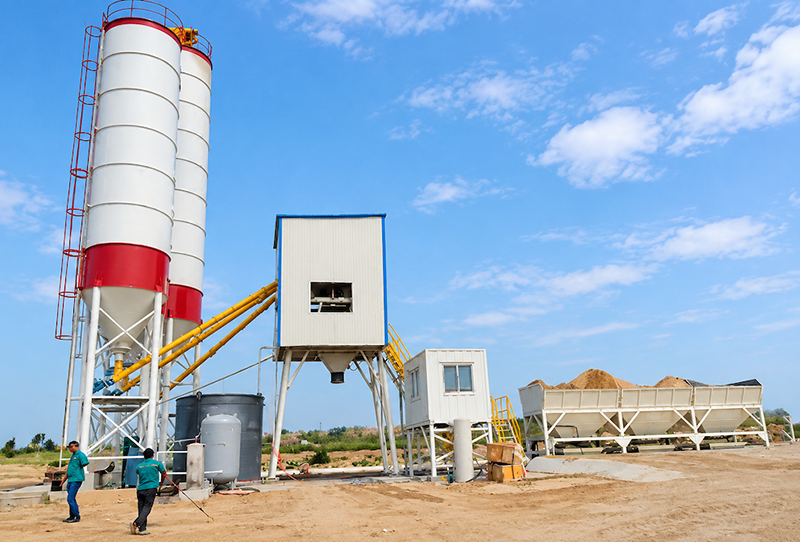
How Does a Concrete Batching Plant Work | Step-by-Step Guide
A concrete batching plant produces standard ready-mix concrete by automatically weighing, conveying and mixing aggregates, cement, water and admixtures according to preset formulas. This article breaks down the whole workflow step by step, helping buyers understand its core operation logic and the difference between wet batch and dry batch plants.
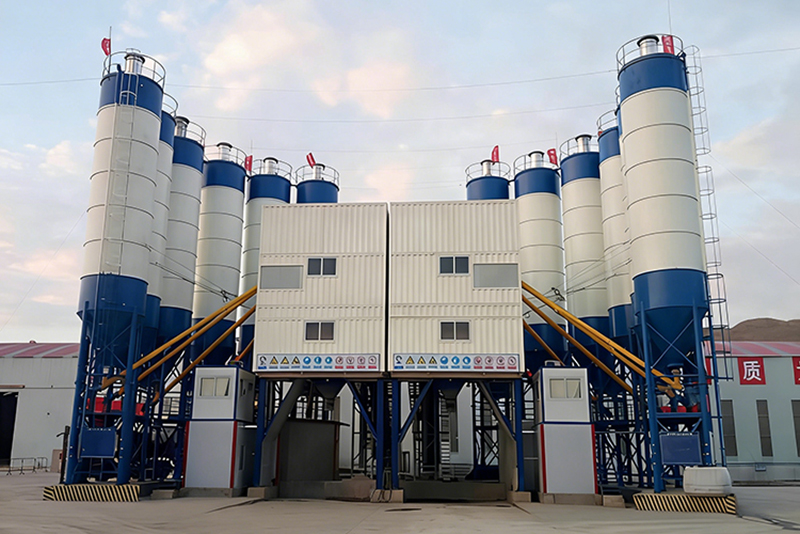
What Is a Cement Silo and How Does It Work?
A cement silo is a sealed steel storage tank designed for bulk dry powder such as cement, fly ash and slag powder. It keeps powder dry and prevents caking, supports pneumatic feeding and controlled automatic discharging.
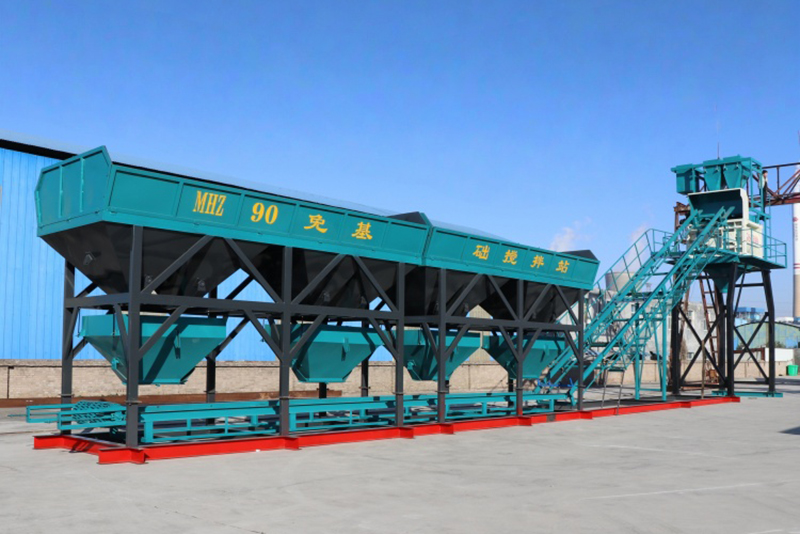
Foundation-Free vs Traditional Concrete Batching Plant: Main Differences
Foundation-free and traditional stationary batching plants serve different project needs. The foundation-free model installs fast on flat hard ground, while the traditional one needs reinforced concrete foundations for long-term high-output production.
Explore Products