Foundation-Free vs Traditional Concrete Batching Plant: Main Differences
Quick Answer
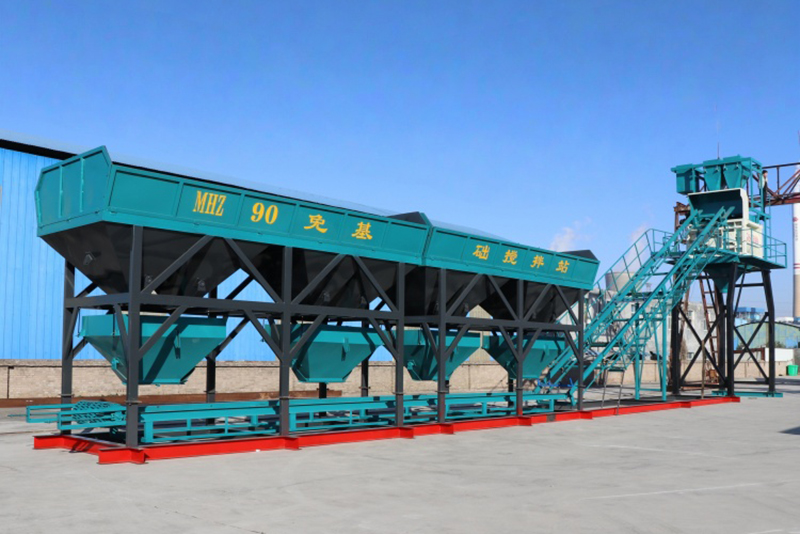
Foundation-free and traditional stationary batching plants serve different project needs. The foundation-free model installs fast on flat hard ground, while the traditional one needs reinforced concrete foundations for long-term high-output production.
 AuthorYUZHIXIN
Published
Updated
2 min read
When planning on-site concrete production, many contractors choose between foundation-free and traditional stationary concrete batching plants. Their biggest gap lies in civil work, deployment flexibility and applicable scenarios.
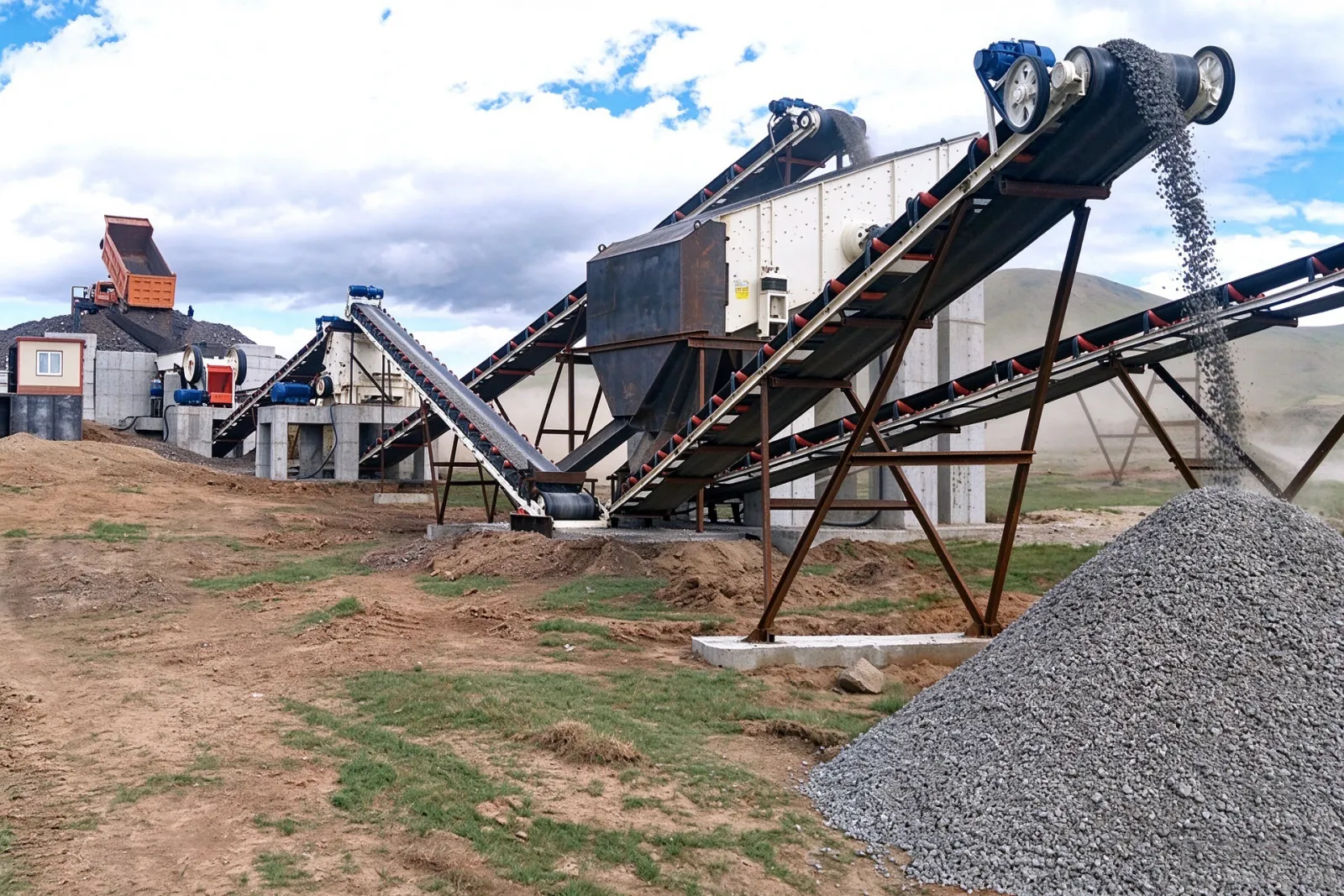
A traditional stationary batching plant requires excavation, steel reinforcement and poured concrete foundation. It takes weeks for foundation curing before equipment installation. It supports large, stable hourly output and works continuously for years, perfect for permanent ready-mix factories and long-term fixed projects. But it costs more on civil engineering and is hard to disassemble and relocate.
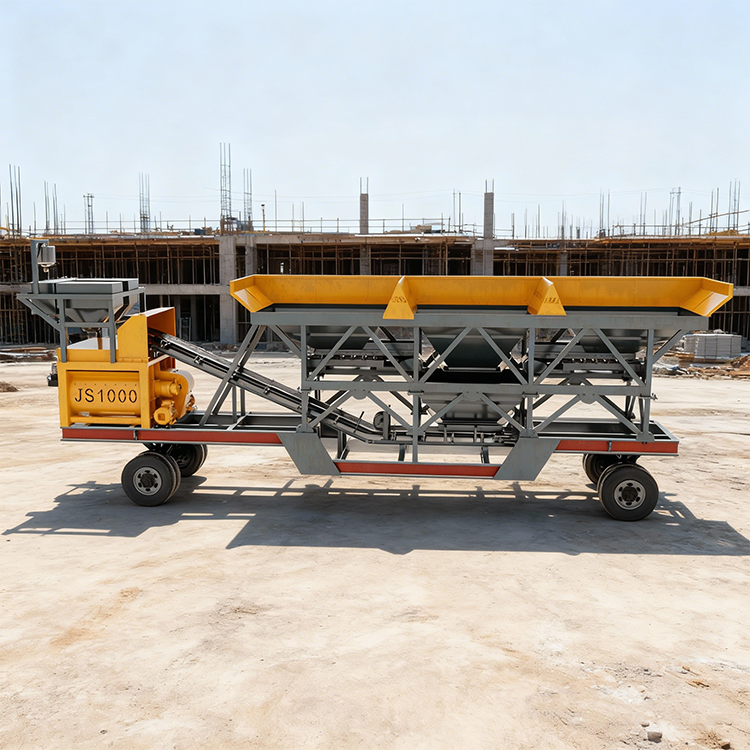
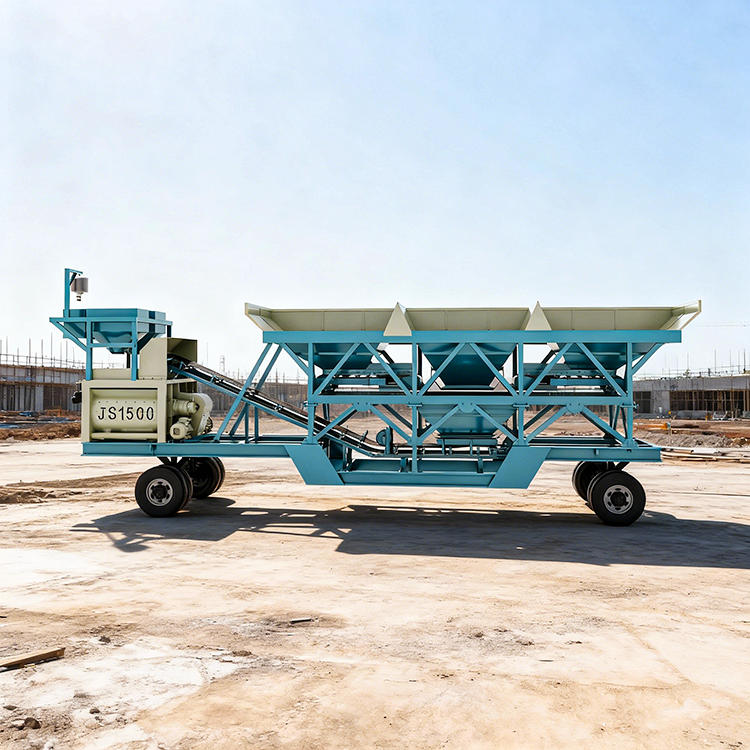
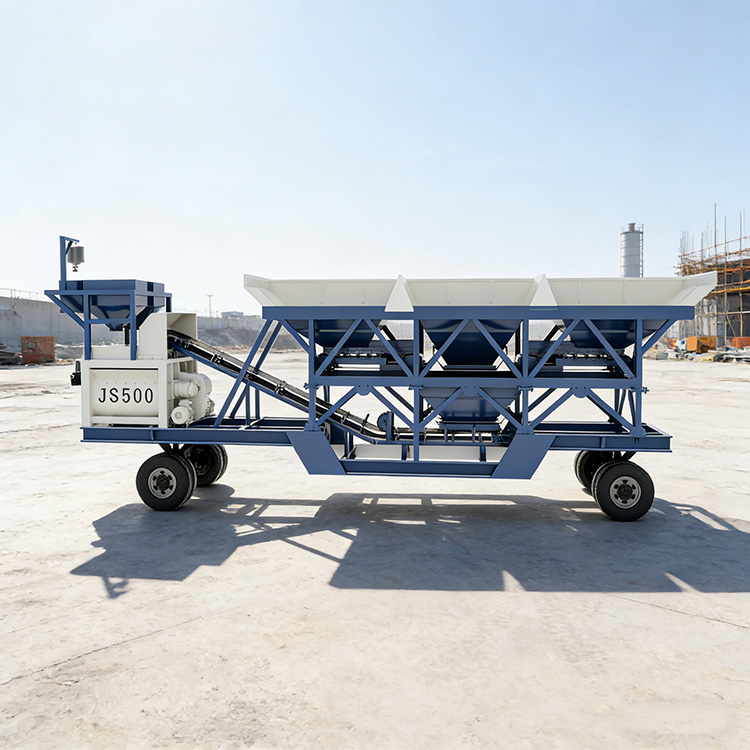
Foundation-free batching plants adopt an integrated heavy steel base. It only needs flat, compacted hard ground instead of permanent concrete foundation. Installation finishes within a few days, saving foundation material and labor cost. When one project ends, it can be disassembled and moved to another site conveniently. It is widely used for road works, temporary sites and short-cycle infrastructure projects. It still needs matched cement silos and concrete pumps for full production.
Quick selection guide:
Pick traditional stationary plant if you run long-term mass concrete production and will not move the plant.
Pick foundation-free plant if you need fast setup, limited budget for civil works.
We supply both foundation-free and traditional stationary batching plants with different capacities. Contact us for your suitable concrete production solution.
Related Articles
Other Articles You May Like
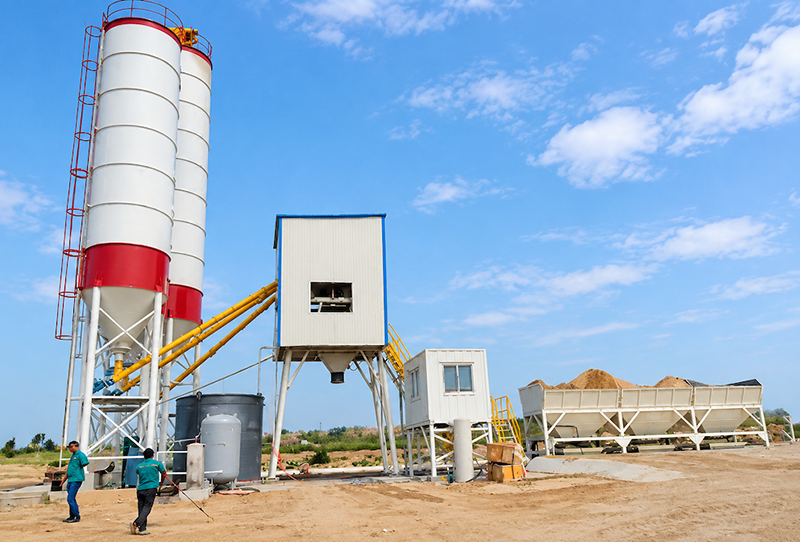
How Does a Concrete Batching Plant Work | Step-by-Step Guide
A concrete batching plant produces standard ready-mix concrete by automatically weighing, conveying and mixing aggregates, cement, water and admixtures according to preset formulas. This article breaks down the whole workflow step by step, helping buyers understand its core operation logic and the difference between wet batch and dry batch plants.
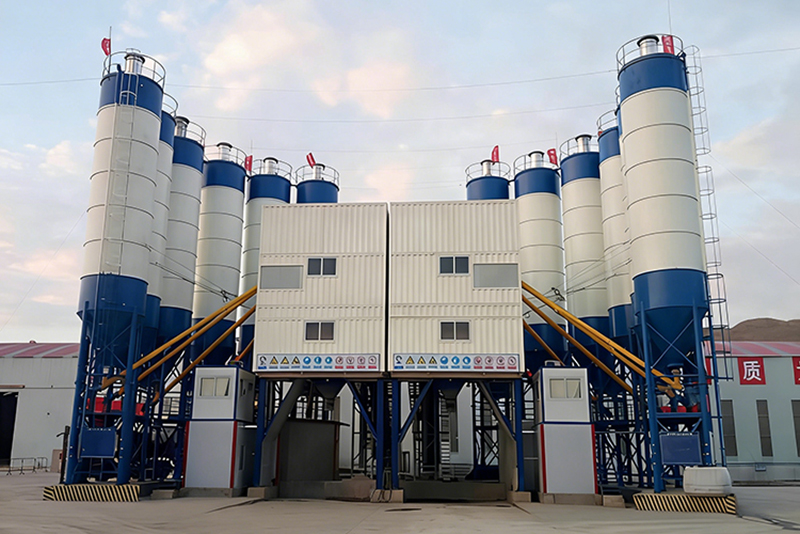
What Is a Cement Silo and How Does It Work?
A cement silo is a sealed steel storage tank designed for bulk dry powder such as cement, fly ash and slag powder. It keeps powder dry and prevents caking, supports pneumatic feeding and controlled automatic discharging.
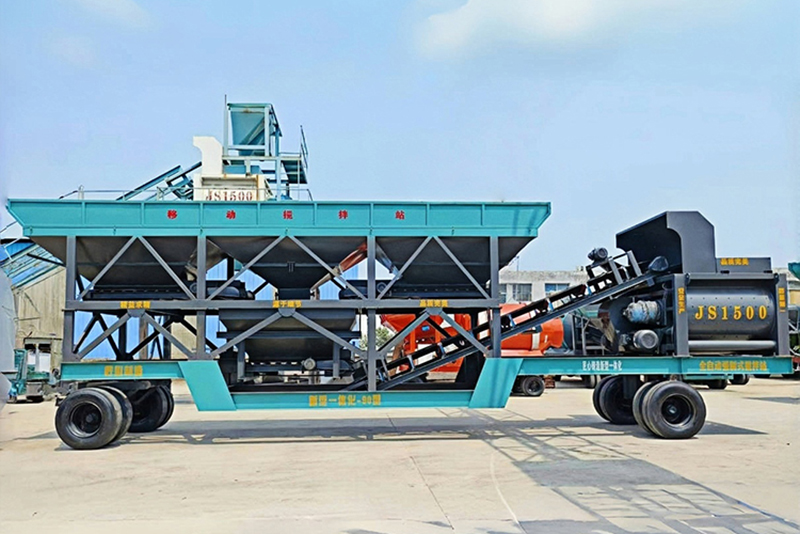
How to Choose the Right Mobile Concrete Batching Plant for Your Project
Mobile concrete batching plants are widely used for temporary construction sites. This article explains core factors including production capacity, mobility, configuration and local requirements to help global buyers select the proper mobile concrete batching plant efficiently.
Explore Products