What Is a Cement Silo and How Does It Work?
Quick Answer
A cement silo is a sealed steel storage tank designed for bulk dry powder such as cement, fly ash and slag powder. It keeps powder dry and prevents caking, supports pneumatic feeding and controlled automatic discharging.
 AuthorYUZHIXIN
Published
2 min read
A cement silo is a closed steel storage vessel widely used on construction sites, precast factories and road projects. Unlike messy bagged cement storage, it holds bulk powder in sealed conditions, protects materials from moisture and rain, and enables stable, automated feeding for downstream production. Besides cement, it can also store fly ash, slag powder, lime powder and other similar dry powder materials.
A complete cement silo system consists of the silo tank, dust collector, pressure relief valve, level sensors, aeration or vibratory arch-breaking device, and screw conveyor. Every part works together to guarantee safe and smooth powder storage and delivery.
The whole working cycle can be divided into three simple stages: feeding, storage and discharging.
First, feeding. Bulk cement tanker trucks connect to the feeding pipe and blow powder into the silo by pneumatic pressure. As powder fills the tank, displaced air mixed with fine dust rises to the top. The dust collector filters cement dust and releases clean air, which controls dust emission and meets environmental requirements. The pressure relief valve acts as safety protection; it opens automatically if the filter gets blocked and internal pressure rises too high.
Second, sealed storage. The cylindrical steel body keeps internal powder away from humidity. High and low level sensors continuously monitor material volume. High level alarms remind operators to stop filling to avoid overfilling. Low level alarms send notifications when stock is running low, so site managers can arrange bulk cement delivery in advance and avoid production stops.
Third, controlled discharging. When powder is needed, the arch-breaking device at the conical bottom activates. Aeration pads or vibrators loosen compacted powder and prevent bridging and blockage. The powder flows down by gravity into the screw conveyor, which transports the powder steadily to the next production unit.
There are two common main styles: vertical cement silos and horizontal cement silos. Vertical silos save ground space and are the most popular option. Horizontal silos have a low height profile and fit sites with height limits or poor foundation conditions. Both bolted and welded vertical silos follow this same working principle.
Cement silos are flexible powder storage solutions for different construction projects. We supply customized silos with matched accessories according to your required capacity and site conditions. Contact us for a reliable bulk powder storage plan.
Related Articles
Other Articles You May Like
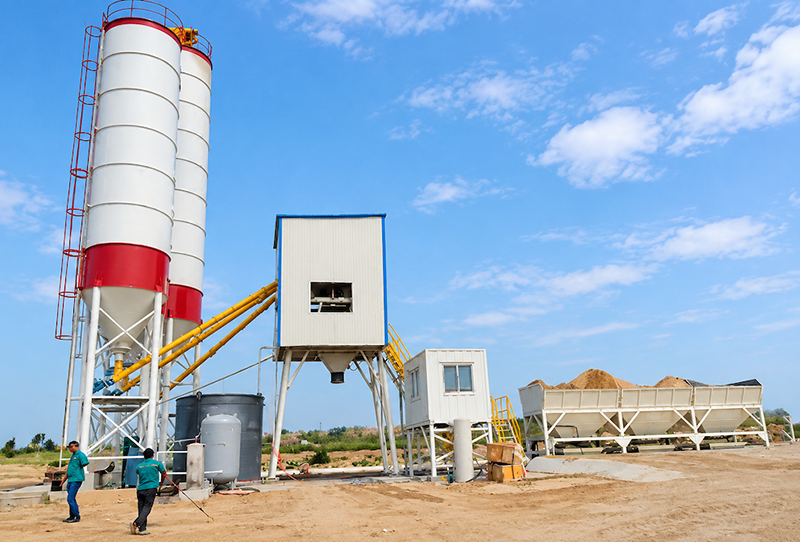
How Does a Concrete Batching Plant Work | Step-by-Step Guide
A concrete batching plant produces standard ready-mix concrete by automatically weighing, conveying and mixing aggregates, cement, water and admixtures according to preset formulas. This article breaks down the whole workflow step by step, helping buyers understand its core operation logic and the difference between wet batch and dry batch plants.
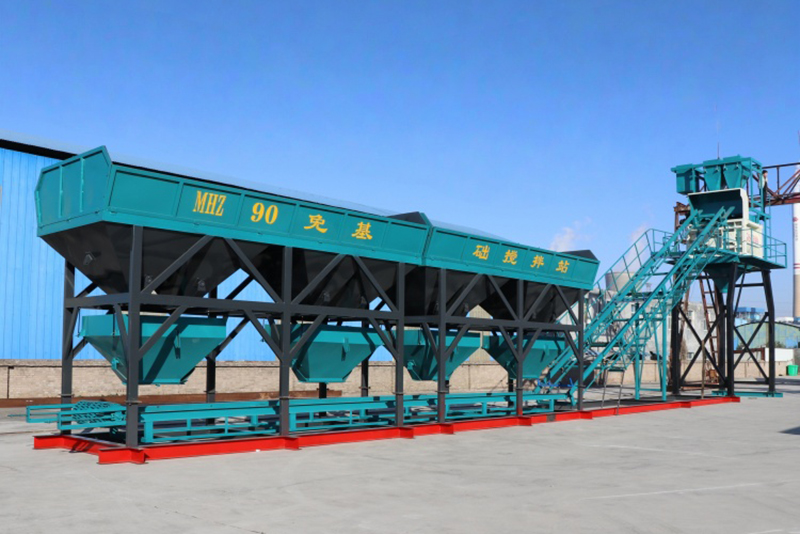
Foundation-Free vs Traditional Concrete Batching Plant: Main Differences
Foundation-free and traditional stationary batching plants serve different project needs. The foundation-free model installs fast on flat hard ground, while the traditional one needs reinforced concrete foundations for long-term high-output production.
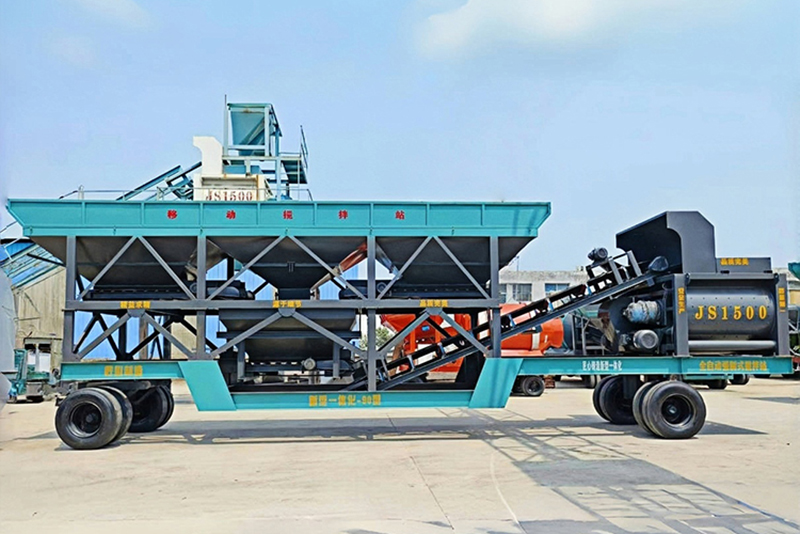
How to Choose the Right Mobile Concrete Batching Plant for Your Project
Mobile concrete batching plants are widely used for temporary construction sites. This article explains core factors including production capacity, mobility, configuration and local requirements to help global buyers select the proper mobile concrete batching plant efficiently.
Explore Products