How to Choose a Concrete Batching Plant for Your Project
Quick Answer
A checklist-style guide to selecting a concrete batching plant based on output needs, site limits, and operating model—without case-specific numbers.
 AuthorYUZHIXIN
Published
Updated
2 min read
Selecting a concrete batching plant starts with the job the concrete must do, not with a catalog page. Define the required output rhythm, the slump or workability range, and whether production is continuous across shifts or peaked around pours.
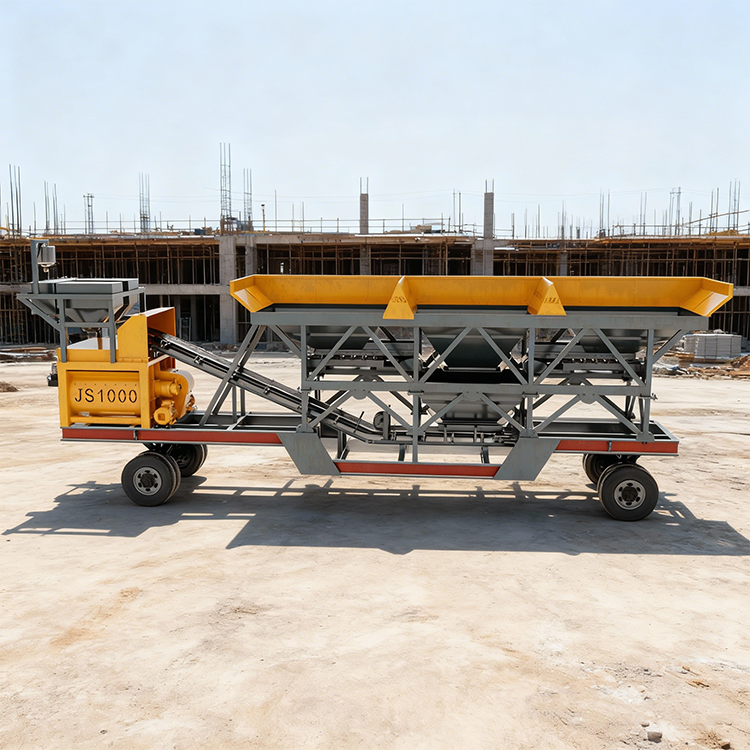
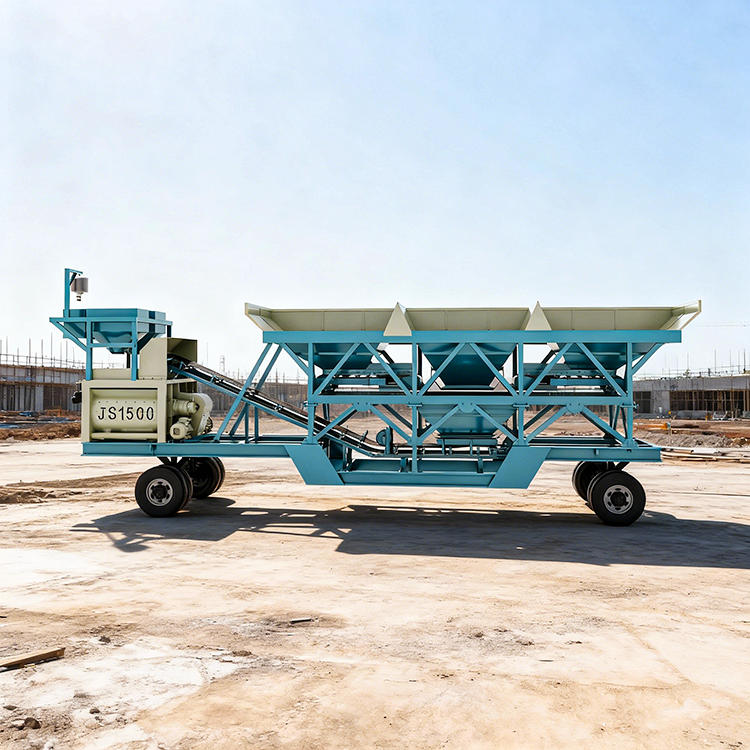
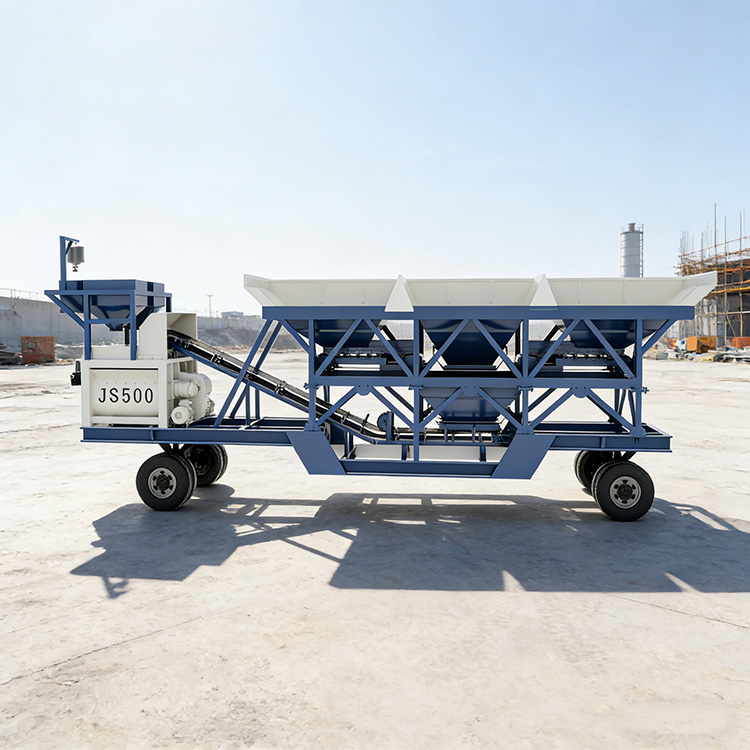
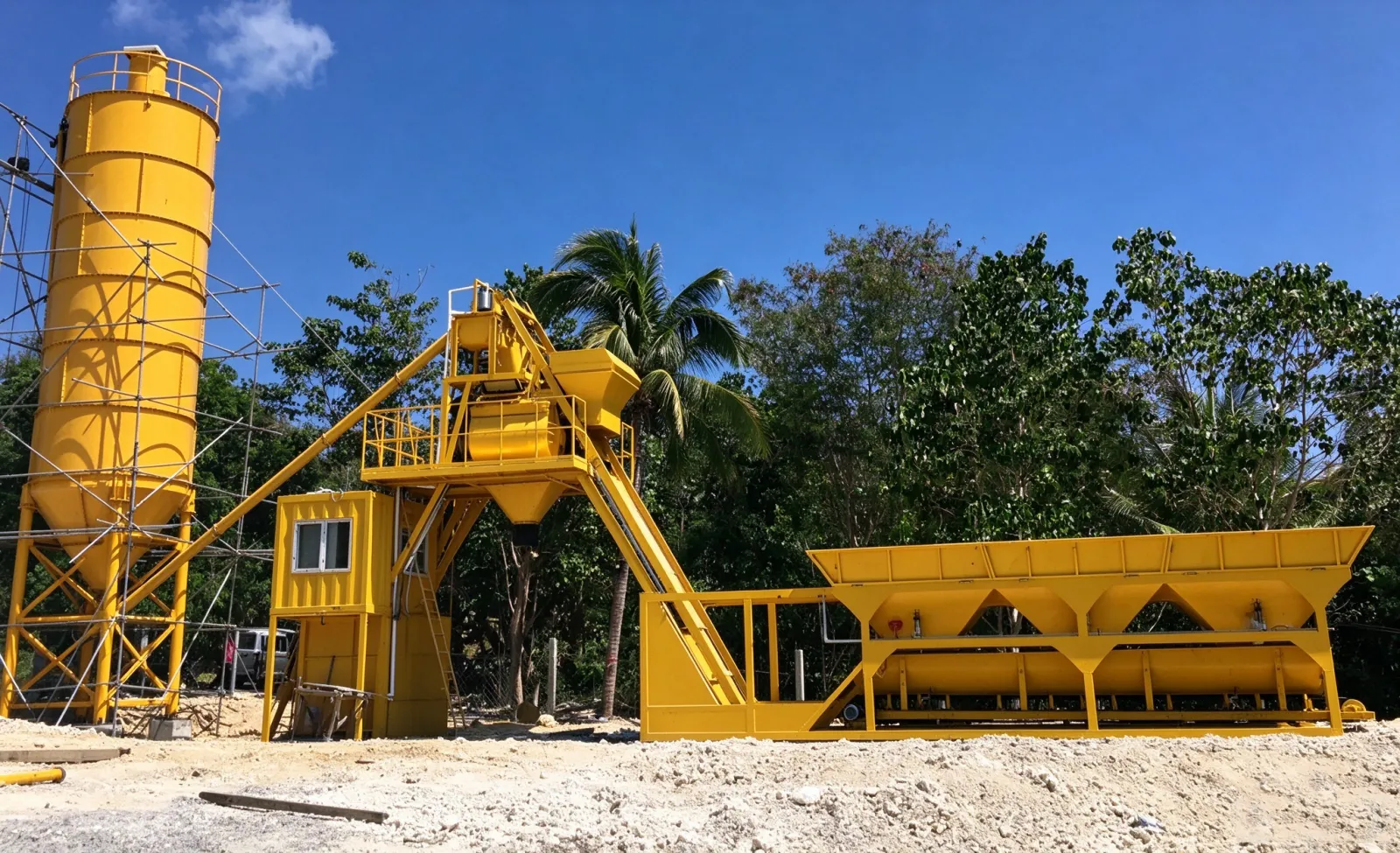
Next map site limits: available length and height, truck circulation, noise and dust rules, and whether foundations can be poured. These constraints often decide mobile versus stationary layouts before mixer brand preferences enter the discussion.
Then match process choices: aggregate feeding method, mixer type, cement and additive storage, water and admixture control, and the automation level your operators can maintain. Over-specifying controls that nobody will use is as costly as under-specifying weighing accuracy.
Finally review utilities, spare-part lead times, and who will own daily care. A plant that fits the plot, the crew, and the concrete specification will outperform a larger line that is hard to feed, hard to clean, or hard to staff. Write the requirements down; the right configuration usually becomes obvious.
Before freezing the specification, walk the future plant area with operations, maintenance, and safety stakeholders. Note truck turning radii, silo truck access, drainage slopes, and where dusty operations sit relative to neighbors. Capture these constraints in a one-page layout sketch; it becomes the reference for suppliers and civil contractors alike.
During early operation, keep a simple log of weighing deviations, unplanned stops, and consumable replacements. Patterns in that log guide whether to adjust recipes, retrain operators, or revise the spare-parts kit. Continuous small corrections usually protect concrete quality better than waiting for a major breakdown.
Before freezing the specification, walk the future plant area with operations, maintenance, and safety stakeholders. Note truck turning radii, silo-truck access, drainage slopes, and where dusty operations sit relative to neighbors. Capture these constraints in a one-page layout sketch that suppliers and civil contractors can share.
During early operation, keep a simple log of weighing deviations, unplanned stops, and consumable replacements. Patterns in that log guide whether to adjust recipes, retrain operators, or revise the spare-parts kit. Small continuous corrections usually protect concrete quality better than waiting for a major breakdown.
Related Articles
Other Articles You May Like
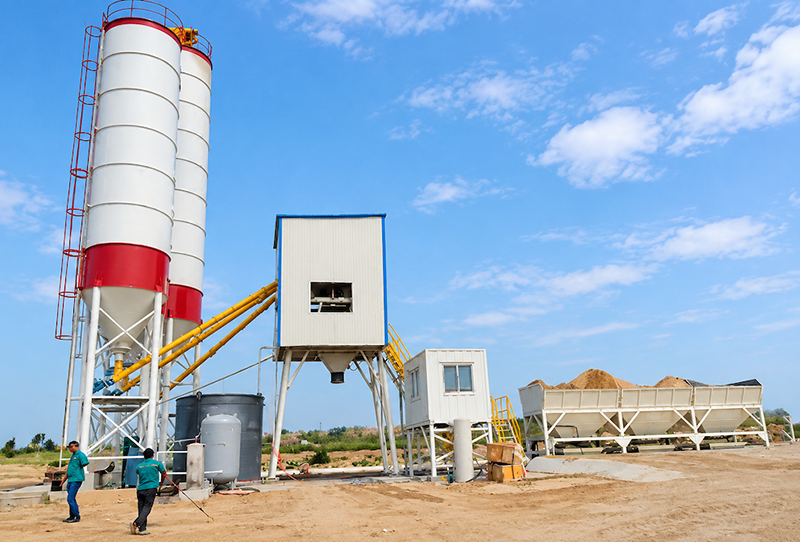
How Does a Concrete Batching Plant Work | Step-by-Step Guide
A concrete batching plant produces standard ready-mix concrete by automatically weighing, conveying and mixing aggregates, cement, water and admixtures according to preset formulas. This article breaks down the whole workflow step by step, helping buyers understand its core operation logic and the difference between wet batch and dry batch plants.
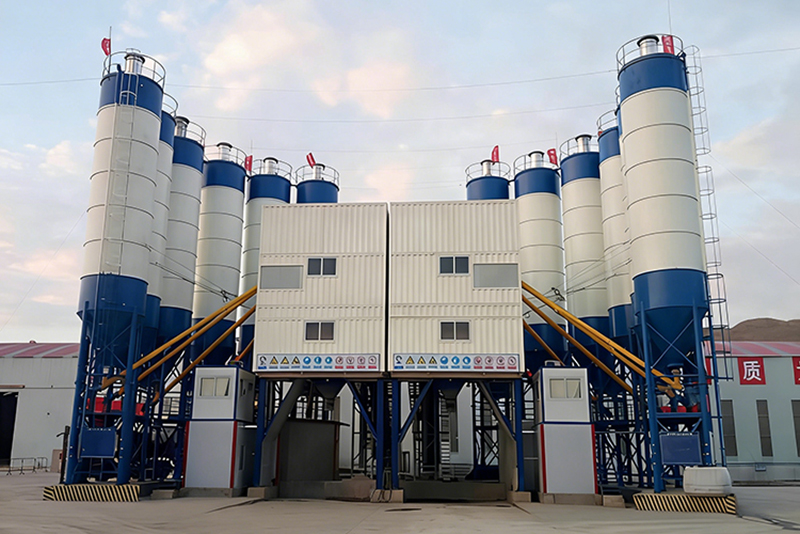
What Is a Cement Silo and How Does It Work?
A cement silo is a sealed steel storage tank designed for bulk dry powder such as cement, fly ash and slag powder. It keeps powder dry and prevents caking, supports pneumatic feeding and controlled automatic discharging.
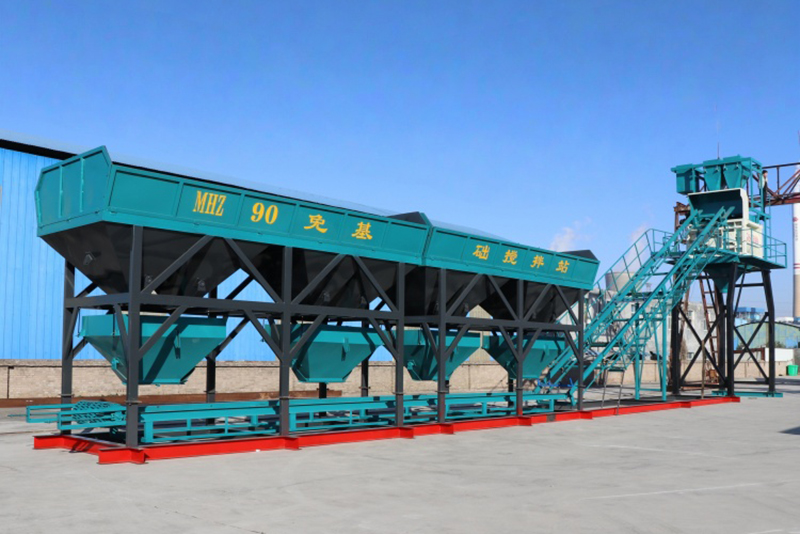
Foundation-Free vs Traditional Concrete Batching Plant: Main Differences
Foundation-free and traditional stationary batching plants serve different project needs. The foundation-free model installs fast on flat hard ground, while the traditional one needs reinforced concrete foundations for long-term high-output production.
Explore Products