EN
EN


Selecting the right concrete batching plant is critical to project efficiency, cost control, and construction quality. As the core equipment of any construction project, a well-chosen batching plant can streamline production, reduce material waste, and ensure that concrete meets the required strength and durability standards. Conversely, a mismatched plant can lead to production bottlenecks, cost overruns, and even delays that impact the entire project timeline. With so many options on the market—from mobile to stationary, small-capacity to high-output units—it’s essential to evaluate your project’s unique needs thoroughly before making a decision. To help you navigate this process, here’s a practical, detailed guide from Yuzhixin Machinery’s experienced engineering team, drawn from years of supporting construction projects worldwide.
1. Define Your Project Requirements First
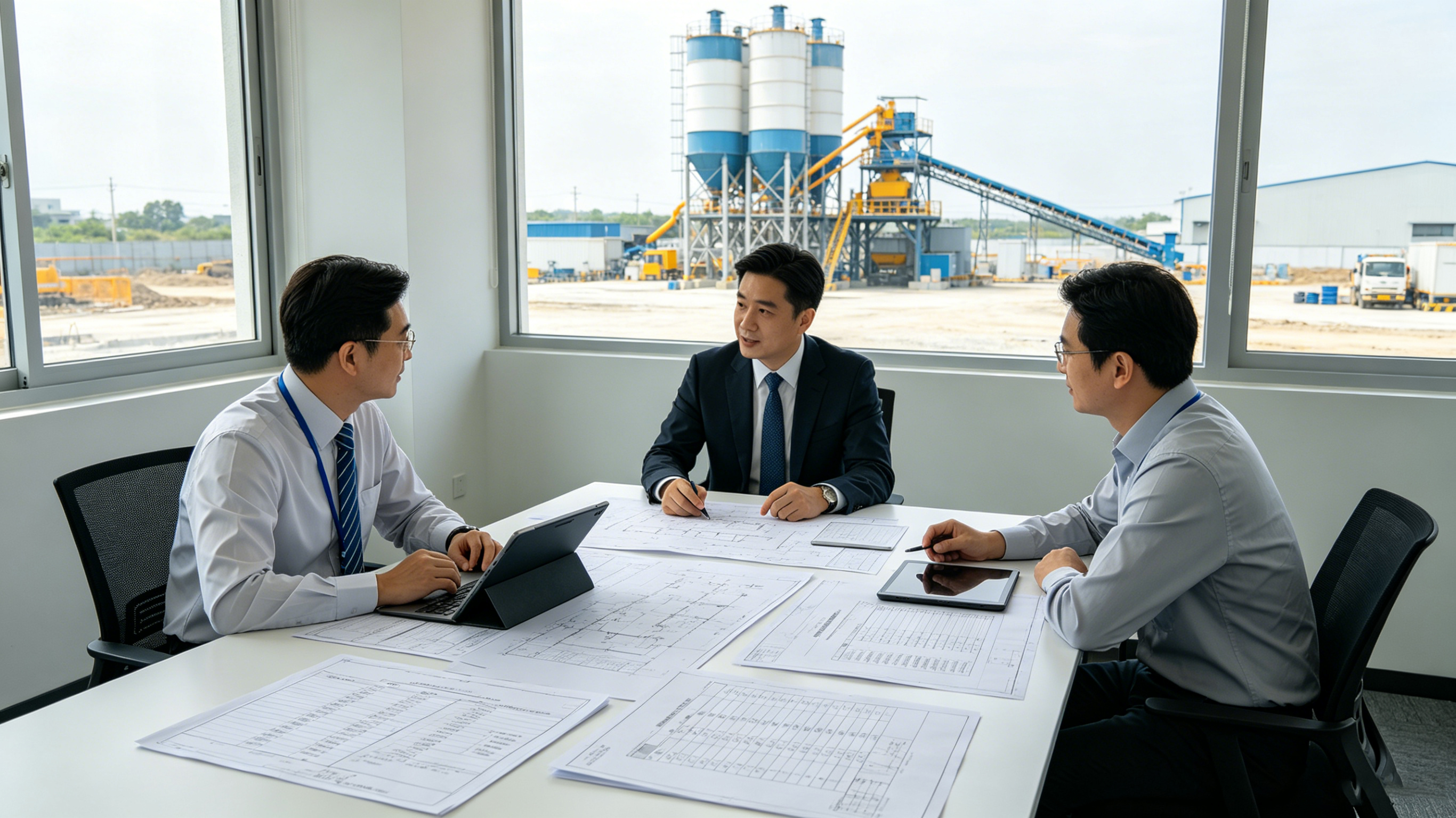
The foundation of selecting the right batching plant lies in clearly defining your project’s specific needs. Rushing this step often leads to poor choices that cost time and money down the line. Before choosing a plant, take the time to answer these key questions, as they will directly guide your selection:
Production Capacity: How much concrete do you need per hour, and what is the total concrete demand for the entire project? This is the most fundamental factor. For example, small housing projects or rural road repairs typically require 30-60m³/h, while large-scale highways, high-rise buildings, or precast concrete factories may need 120-240m³/h. It’s important to factor in a 10-15% buffer capacity to avoid bottlenecks during peak production periods—choosing a plant that exactly matches your minimum needs can lead to delays when demand surges.
Mobility Needs: Is the project temporary (e.g., road works, emergency repairs, or temporary construction sites) or permanent (e.g., precast plants, large industrial parks, or long-term infrastructure projects)? Mobile or portable plants (like Yuzhixin’s YHZS series) are designed for quick relocation, with no-foundation installation that can be set up in 1-3 days, making them ideal for temporary projects. Stationary plants, on the other hand, are fixed in place, offer higher long-term output, and are more suitable for permanent sites where production demand is stable and consistent.
Site Conditions: Evaluate your job site’s constraints carefully. Do you have limited space (e.g., urban renovation projects or narrow construction areas)? Compact or foundation-free plants with a small footprint are the best choice. Are you working in harsh climates, such as deserts (high temperature, dust) or high-humidity regions (rainy seasons, coastal areas)? Yuzhixin plants can be customized with dust control systems, heat-resistant components, or moisture-proof designs to adapt to these conditions. Additionally, check the site’s power supply—if electricity is limited, we offer low-voltage operation options or diesel-powered plants to ensure uninterrupted production.
Quality Standards: What quality certifications or codes do you need to comply with? If your project is in the European market, CE certification is required; global projects often demand ISO 9001 quality management system certification. Local construction codes may also have specific requirements for concrete strength, mixing accuracy, and environmental protection. Yuzhixin plants are built to meet these international standards, with customizable configurations to align with local regulations, ensuring your project passes inspections smoothly.
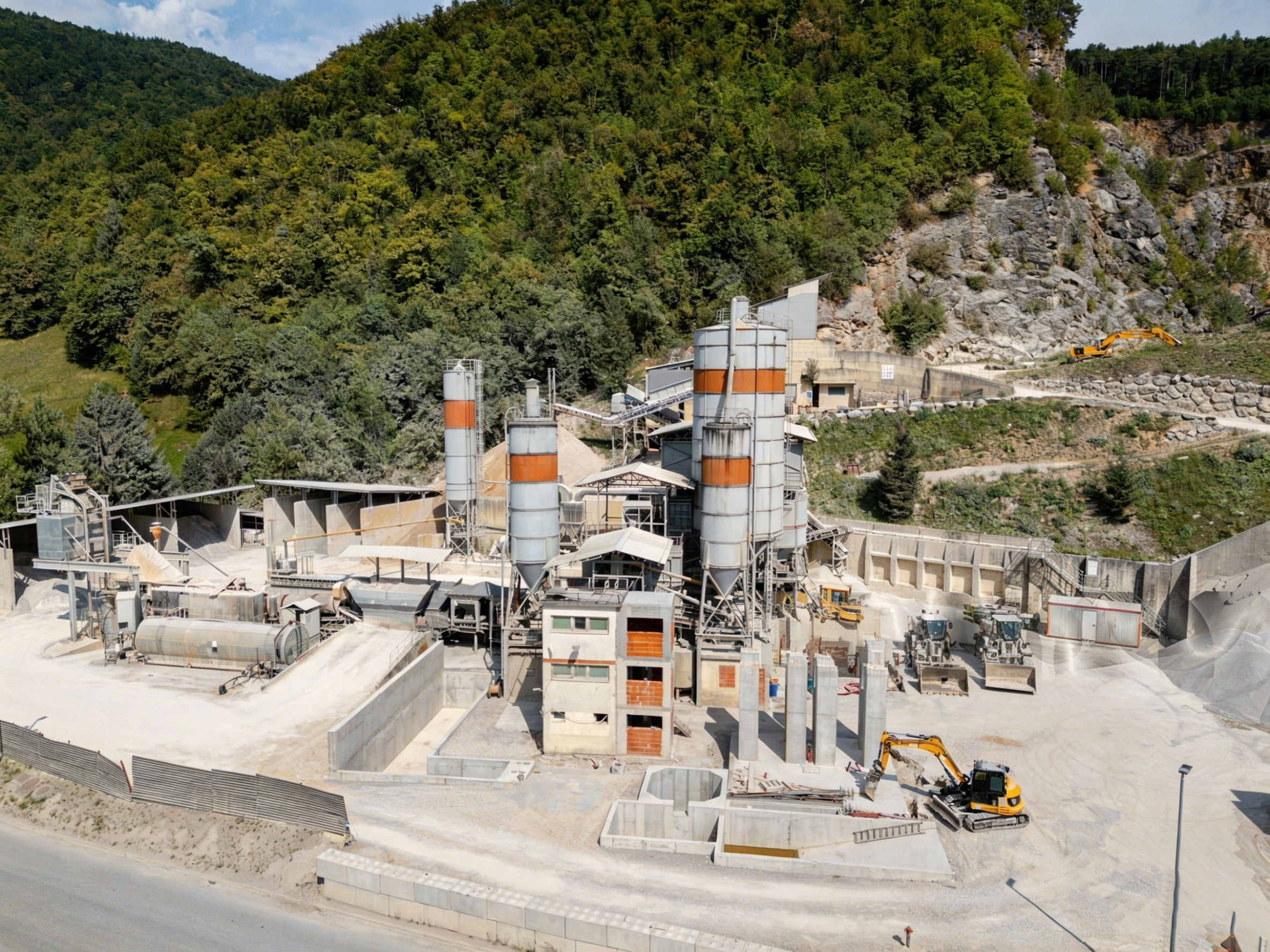
2. Key Features to Prioritize
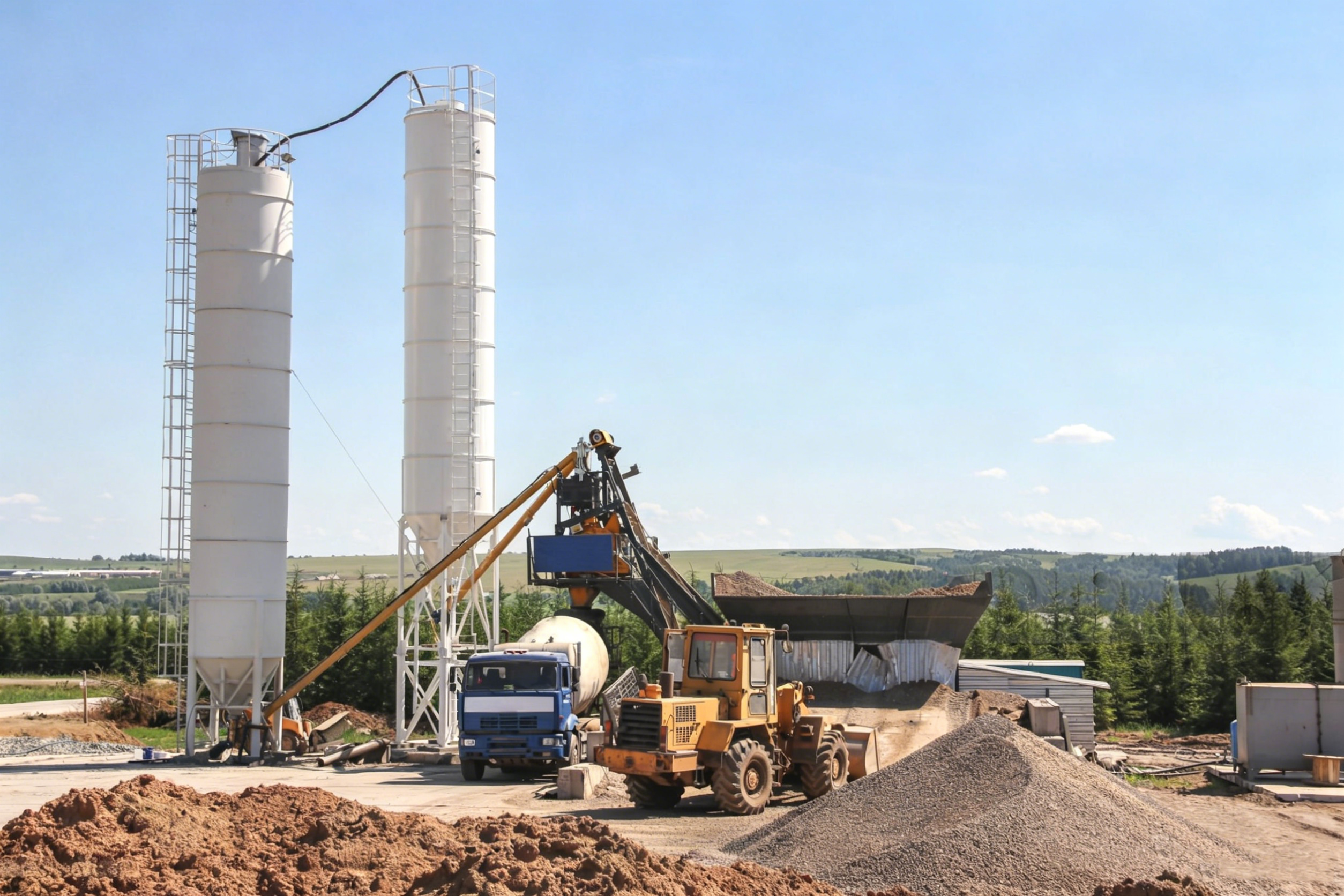
Not all batching plants are created equal—focus on features that directly impact your project’s efficiency, quality, and long-term cost. Here are the core features to prioritize when evaluating options:
✅ Precision Weighing System: Accurate batching is the cornerstone of high-quality concrete. A high-precision weighing system with load cells (±0.5% accuracy) ensures that aggregates, cement, water, and additives are mixed in the exact ratio required. This not only guarantees concrete strength and durability but also reduces material waste by 5-10%—a significant cost saving over the course of a project. Look for systems with automatic calibration and real-time monitoring to maintain accuracy over time.
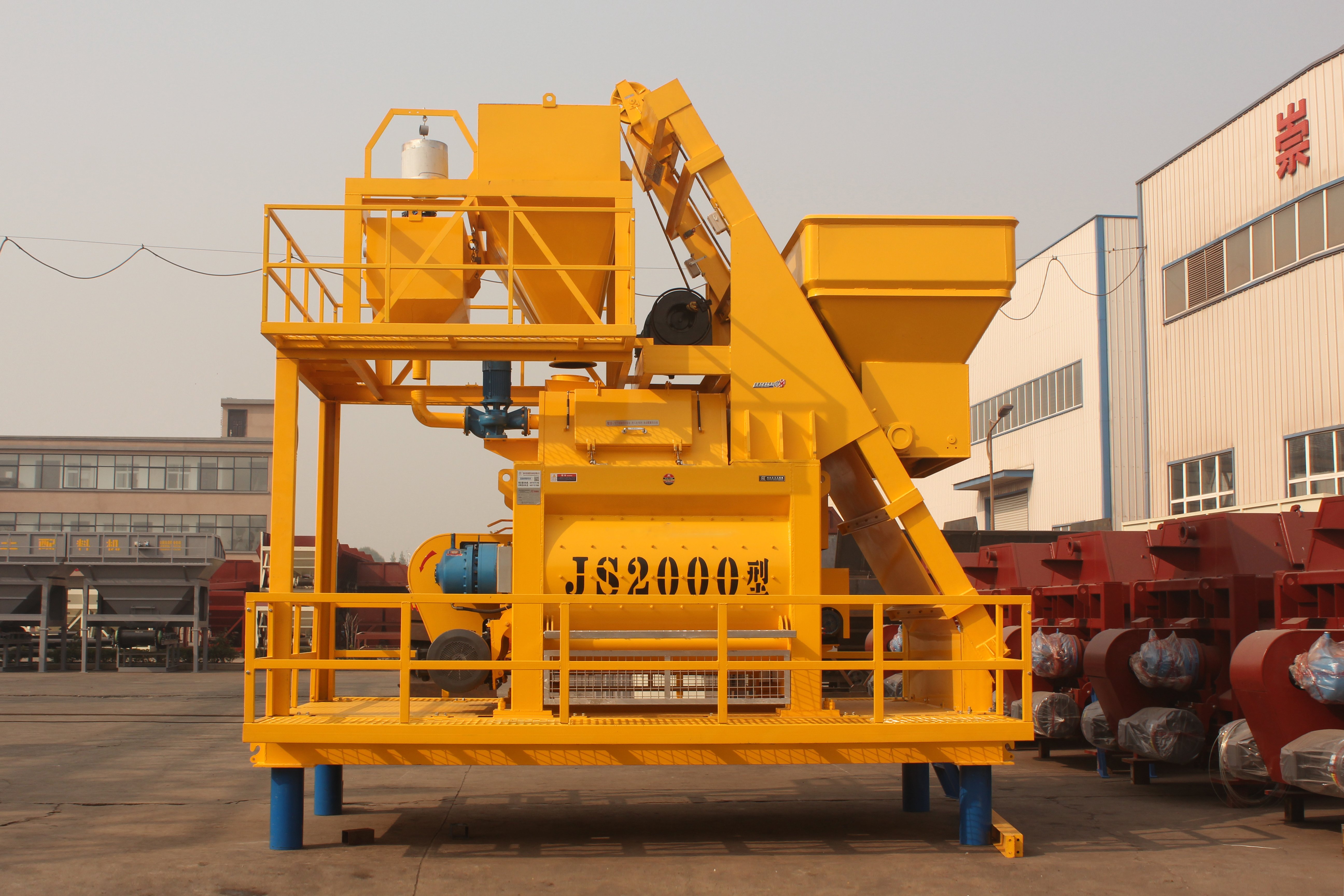
✅ Reliable Mixer Performance: The mixer is the heart of the batching plant, and its performance directly affects concrete uniformity. Twin-shaft forced mixers are the gold standard for most projects, as they deliver thorough, uniform mixing even for the most demanding concrete mixes—including high-strength concrete, fiber-reinforced concrete, and self-compacting concrete. Yuzhixin’s twin-shaft mixers are equipped with wear-resistant alloy blades and liners, ensuring long service life and reducing maintenance needs, even with continuous operation.
✅ Automation & Control: In today’s fast-paced construction environment, automation is key to efficiency. PLC (Programmable Logic Controller) systems with user-friendly touchscreen interfaces allow operators to store mix recipes, monitor real-time production data (e.g., output, material usage, mixer status), and adjust settings remotely. This reduces on-site maintenance requirements, simplifies operation for multi-language teams, and minimizes human error—critical for consistent quality. Some advanced systems even support remote troubleshooting, helping to resolve issues quickly and reduce downtime.
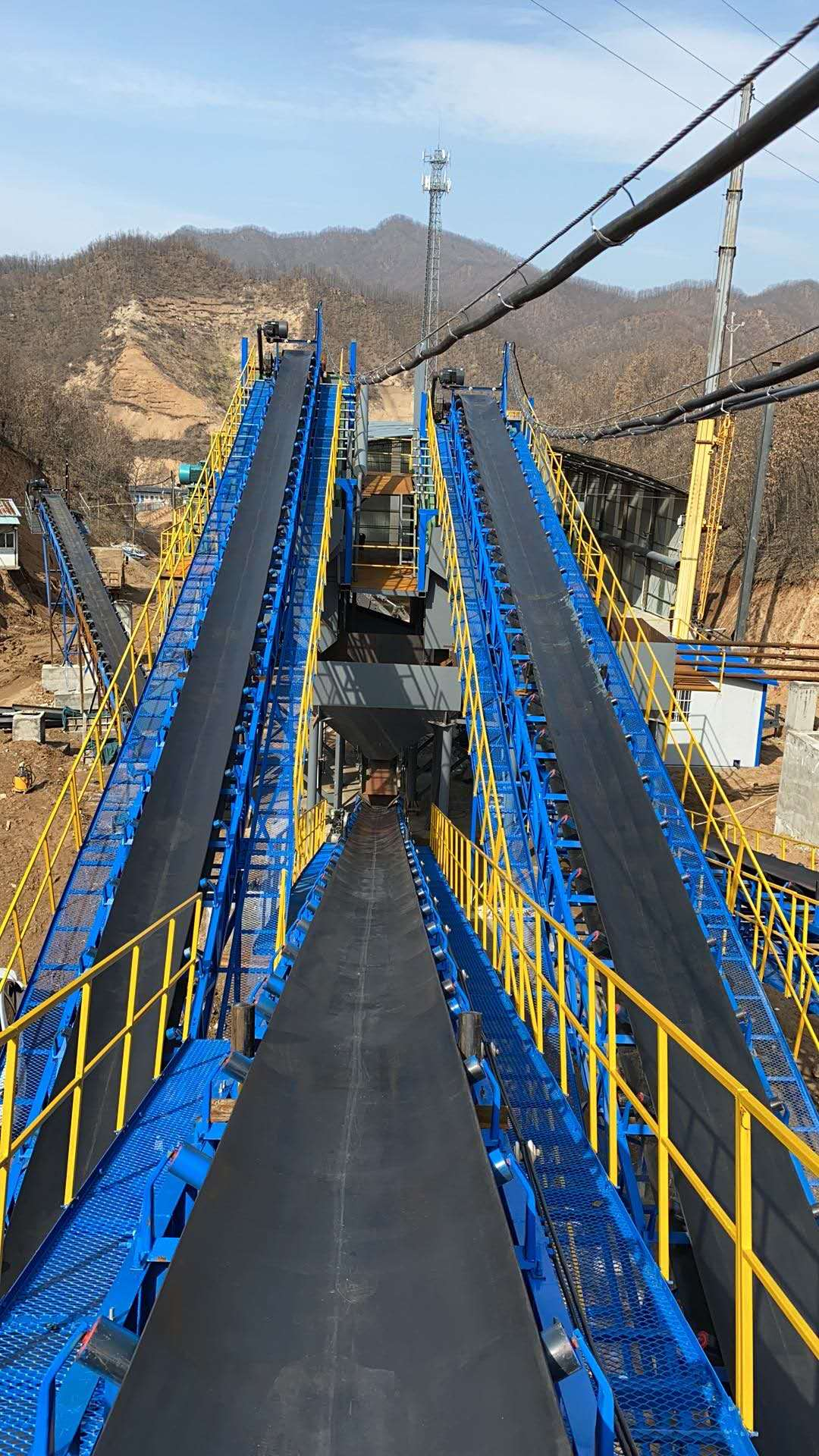
✅ Durability & Maintenance: Construction sites are harsh environments, so your batching plant must be built to withstand heavy use and challenging conditions. Prioritize plants with wear-resistant components (e.g., mixer blades, conveyor belts), a modular design that allows for easy part replacement, and accessible maintenance points. A plant with low maintenance needs will minimize downtime—essential for meeting tight construction schedules and avoiding costly delays.
3. Common Mistakes to Avoid
Even with careful planning, many project managers make avoidable mistakes when selecting a batching plant. Here are the most common pitfalls to steer clear of:
Choosing too small a capacity to save cost, leading to production bottlenecks later. While a smaller plant may have a lower upfront cost, it will struggle to meet peak demand, causing delays in concrete delivery and extending the project timeline. This often ends up costing more than investing in a slightly larger plant with buffer capacity.
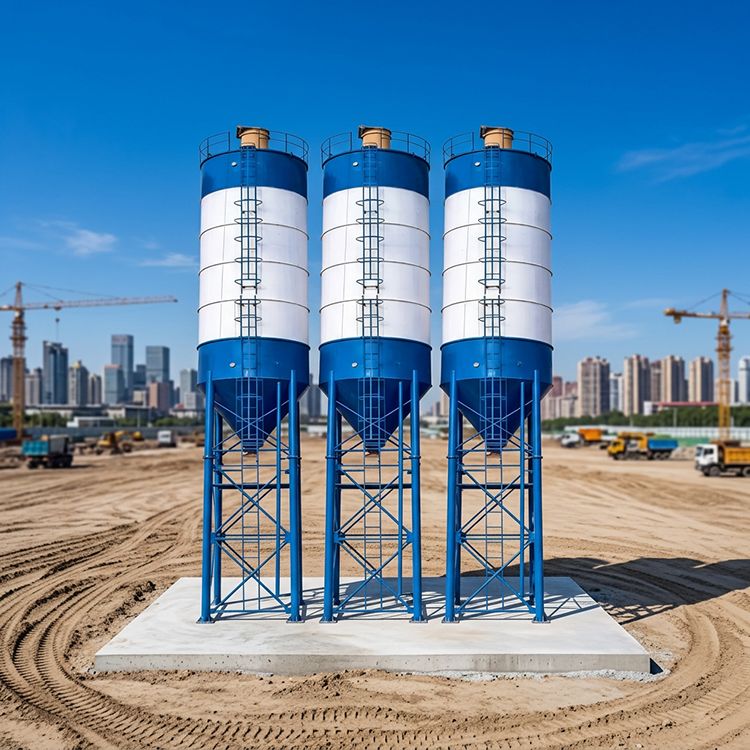
Ignoring site logistics (e.g., truck access for material delivery, space for silo installation, or proximity to mixing areas). For example, a large stationary plant may be ideal for production capacity, but if the site has limited access for cement trucks or insufficient space for cement silos, it will cause operational headaches. Always assess logistics before selecting a plant—mobile or foundation-free options may be better for sites with limited access.
Overlooking after-sales support. A batching plant is a long-term investment, and reliable after-sales service is critical to keeping it running smoothly. Ensure your supplier offers on-site installation guidance, operator training, timely spare parts availability, and technical support. Poor after-sales service can lead to prolonged downtime if components fail, costing your project time and money.
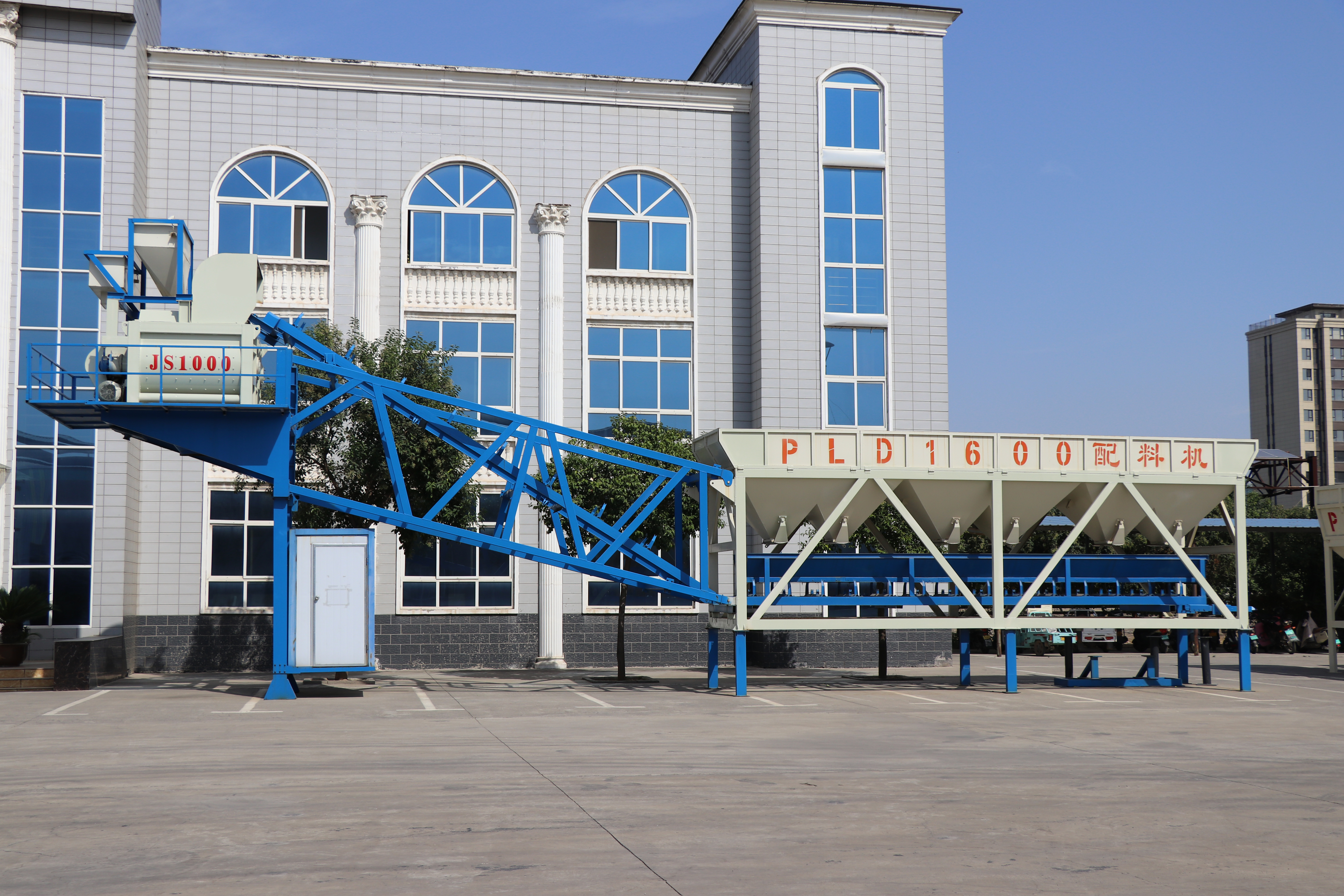
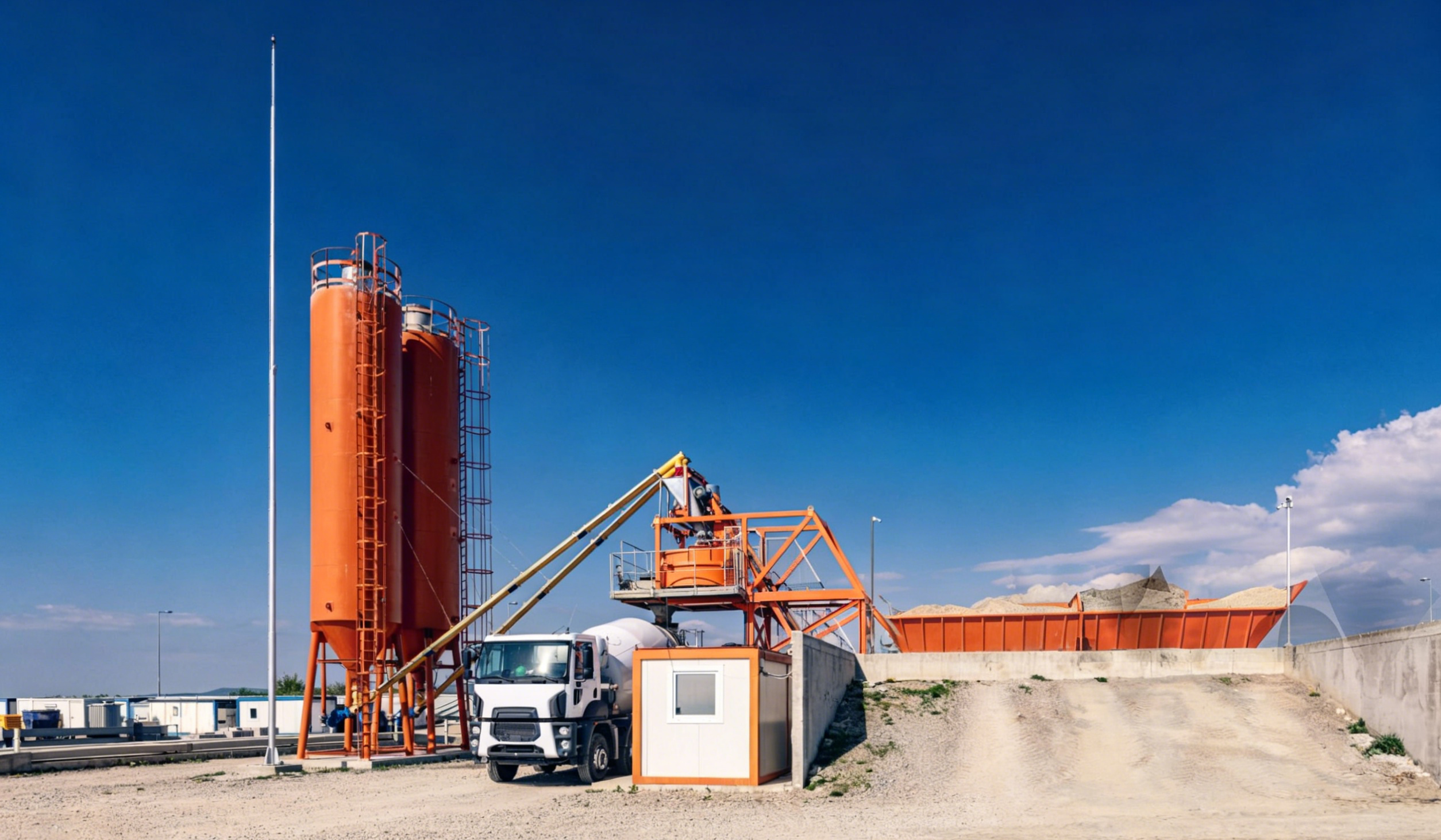
At Yuzhixin, we understand that selecting the right batching plant can be overwhelming. That’s why we provide free project consultation to help you navigate every step of the process—from analyzing your project requirements and recommending the ideal plant type to customizing the layout and providing comprehensive post-sales service. Our goal is to ensure your equipment matches your project’s goals, delivering efficiency, cost savings, and high-quality concrete from start to finish.
 Hot News
Yuzhixin Machinery provides professional concrete batching plants & turnkey solutions for infrastructure projects. 20+ years expertise, 50+ countries served, custom engineering support. Request a free site plan today.
No. 889, Group 2, Xida Village, Wangcun Town, Xingyang City, Zhengzhou City, Henan Province
Copyright © 2026 by Zhengzhou Yuzhixin Machinery Manufacturing Co., Ltd. Privacy Policy