 EN
EN


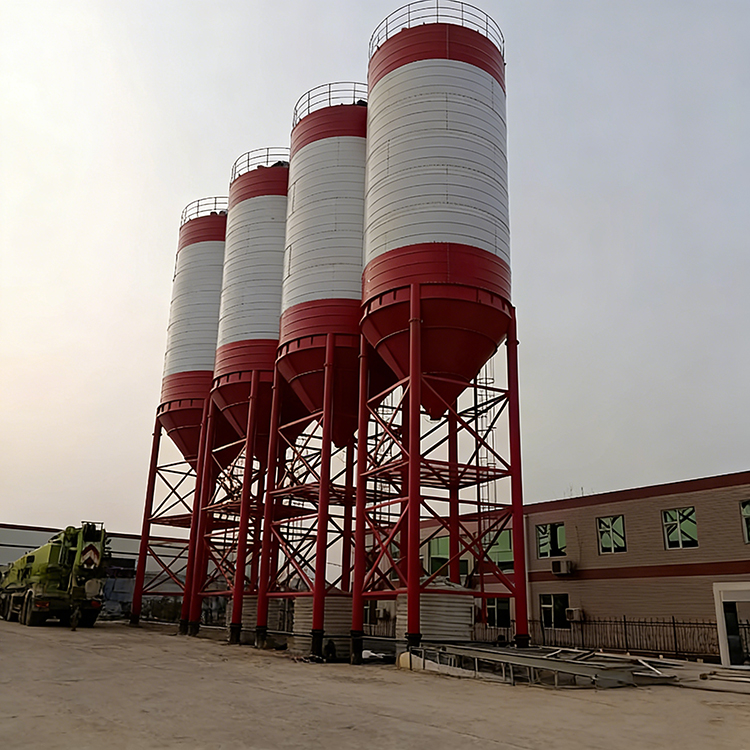
Prevent Cement Caking in Silos: Humid Area Solutions
A ready-mix operator in coastal Thailand discovered 18 tonnes of hardened cement at the bottom of a 100-tonne cement silo during a routine inventory check — material that had progressively caked over three months of monsoon-season humidity. The hardened mass required pneumatic hammer removal over four days, during which the silo was offline and the batching plant operated at 60% capacity using a backup silo. Investigation traced the problem to failed aeration pad check valves allowing moist compressed air to enter the silo during humidifier startup cycles.
A cement silo in a humid climate is not just a storage vessel — it is an environmental isolation system. When that isolation fails, cement hydration begins inside the silo rather than inside the mixer.
Why Cement Cakes Inside Silos — The Moisture Pathway
Condensation Cycles in Tropical Environments
The physics is straightforward: warm, moisture-laden air enters a cement silo during daytime filling operations or through vent openings, then cools overnight against the silo wall. When the air temperature drops below its dew point — common in tropical regions where daytime temperatures of 35°C with 85% relative humidity drop to 24°C at night — condensation forms on the interior wall and drips onto the cement surface.
Each condensation cycle converts a thin layer of cement powder into hydrated crust. Over weeks, these crust layers accumulate at the silo wall and around internal weld seams where surface roughness provides nucleation sites. The problem accelerates in bolted silos with internal stiffeners, where ledges and corners trap condensate that would otherwise drain freely on a smooth welded wall.
Air Leakage Points and Their Cumulative Impact
Cement silos operate under slight positive pressure during pneumatic filling, then cool to negative pressure as internal air contracts. This breathing cycle draws ambient air through every available leak point — inspection hatch seals, level indicator cable glands, dust collector flange gaskets, and butterfly valve stem packings. A single silo with multiple small leaks can admit 2-5 cubic meters of humid external air per day in tropical coastal conditions, equivalent to introducing 50-120 grams of water vapor daily.
Active Prevention Through Silo System Design
Aeration Pad Configuration and Operating Logic
Aeration pads at the silo cone inject dry compressed air through porous ceramic or fabric media to fluidize cement and promote mass flow during discharge. The compressed air supply for aeration must pass through a refrigerant or desiccant dryer delivering a pressure dew point of +3°C or lower — standard aftercooler-only compressed air at +30°C dew point carries approximately 30 grams of water per cubic meter, enough to hydrate 60-90 grams of cement per cubic meter of air injected.
The aeration sequence matters as much as the air quality. Pads should activate in timed pulses (3-5 seconds on, 15-20 seconds off) rather than continuously. Continuous aeration in a partially filled cement silo channels air preferentially through the empty upper sections, where it deposits moisture onto the silo wall and roof rather than fluidizing cement at the cone. A differential pressure switch across the aeration manifold provides early warning of pad blinding or check valve leakage.
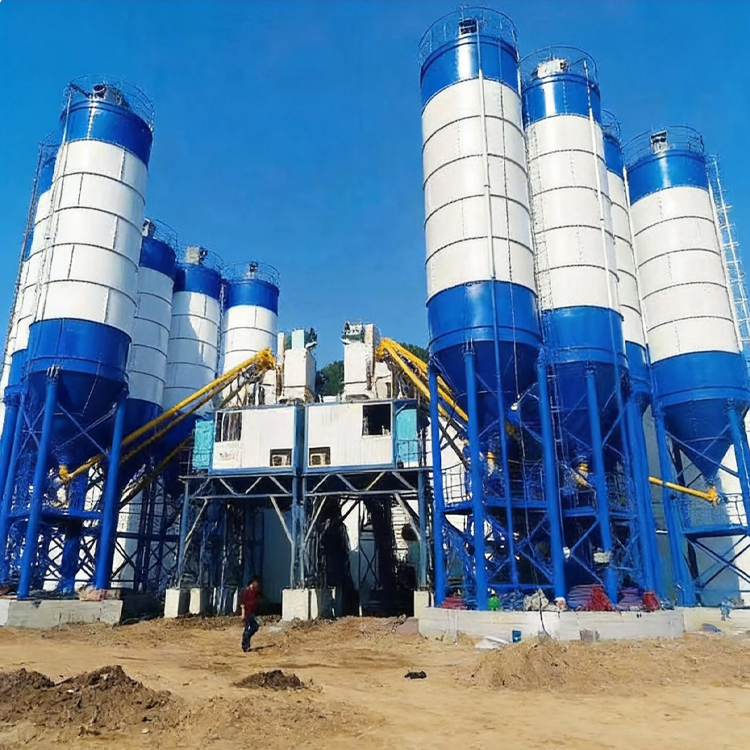
Fluidization Systems and Their Limitations
Bottom fluidization using aeration pads works effectively for cement that has not yet hydrated. Once caking begins in a cement silo, fluidization alone cannot dislodge hardened material — the crusts become progressively thicker and harder, eventually requiring mechanical removal. Silo designers often specify internal coating systems (epoxy or polyurethane linings applied at 300-500 microns) that reduce wall friction and provide a smoother surface less prone to crust adhesion, but coatings are a complement to moisture control, not a replacement.
Operational Practices That Stop Caking
Fill-Level Management and First-In, First-Out Rotation
Cement stored in a silo for extended periods absorbs moisture through slow diffusion even in sealed systems. A cement silo should be completely emptied and cleaned at intervals not exceeding 60-90 days in humid environments. Partial fill-and-top-up cycles that leave a heel of older cement at the bottom create a permanent nucleation zone for caking — the older material has higher moisture content and initiates hydration in fresh cement loaded above it.
Inspection Routines for Humid-Climate Operations
Quarterly internal inspection using a confined-space entry protocol with atmospheric monitoring identifies early caking before it becomes structural. Inspectors check for rust staining on the interior wall (indicating condensation paths), crust thickness at the cone transition, and aeration pad surface condition. A borescope inspection through the manhole provides an interim check between full entries and avoids the downtime and safety risk of unnecessary confined-space work.
Frequently Asked Questions
What causes cement to cake inside a silo in humid areas?
Cement caking results from moisture entering the silo through condensation cycles (warm daytime air cooling overnight against the silo wall), compressed air leaks carrying humidity through aeration systems, and air infiltration through hatch seals and flange gaskets during the silo's natural pressure breathing cycles.
How does a cement silo aeration system prevent caking?
Aeration pads inject dry compressed air at the silo cone to fluidize cement powder, promoting mass flow discharge and preventing stagnant material from settling and absorbing ambient moisture. The compressed air must be dried to a +3°C pressure dew point — wet compressed air accelerates caking rather than preventing it.
Why do bolted cement silos cake more than welded silos in humid climates?
Bolted silos have internal stiffeners, flange joints, and gasket interfaces that create ledges and corners where condensation collects. Welded silos with smooth internal walls drain condensate more effectively and provide fewer nucleation sites for crust formation. The gaskets at bolted joints also represent potential leak paths for humid external air.
How often should a cement silo be fully emptied and cleaned in a humid region?
Complete emptying and internal cleaning every 60-90 days prevents progressive moisture accumulation in the cement heel at the silo bottom. Longer intervals allow moisture content to build up in the oldest material, which then initiates hydration in fresh cement loaded above it, accelerating the caking process.
Can internal coatings prevent cement silo caking?
Epoxy or polyurethane internal coatings applied at 300-500 microns reduce wall friction and provide smoother surfaces less prone to crust adhesion. Coatings help but cannot compensate for poor moisture control — they complement proper compressed air drying, seal maintenance, and regular emptying protocols rather than replacing them.
What inspection signs indicate early cement silo caking?
Reduced discharge rate at constant aeration pressure, cement temperature readings 3-5°C above ambient (indicating ongoing hydration inside the silo), and audible cement bridge collapse sounds during discharge all signal developing caking. Borescope inspection through the manhole confirms crust thickness at the cone transition and silo wall.