 EN
EN


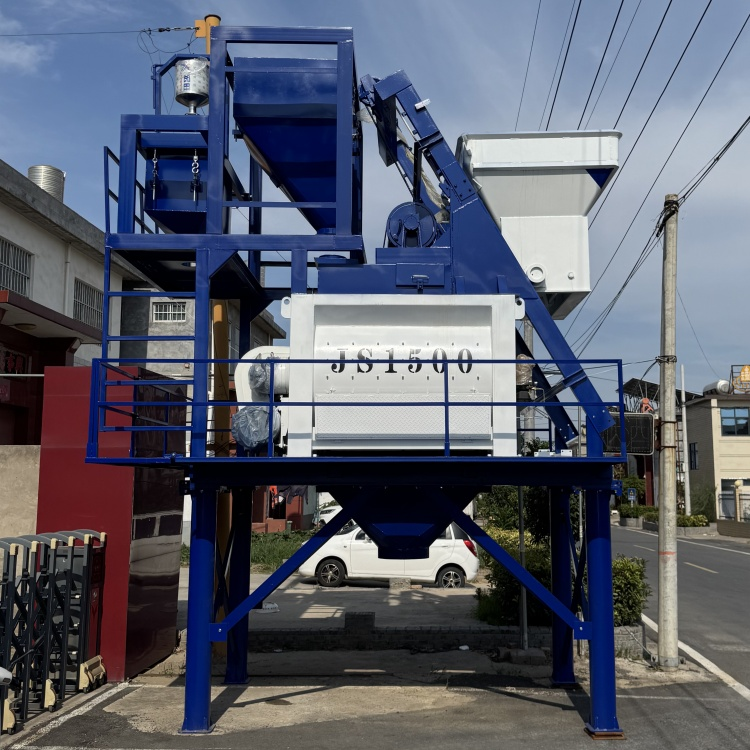
Twin Shaft Concrete Mixer Maintenance Checklist
A ready-mix plant in Nigeria experienced a catastrophic twin shaft concrete mixer failure when a shaft bearing seized during a peak-production morning shift. The bearing had run without grease for an estimated 400 operating hours after a blocked grease line went undetected during weekly inspections. The repair required complete mixer disassembly, shaft removal, bearing housing machining, and replacement of both bearings and seals — five days of downtime at a cost of 18,000 in parts and labor plus 42,000 in lost production revenue. The grease line blockage would have been caught by a 30-second visual check of the bearing temperature gauge and manual verification of grease flow at the lubrication point.
A twin shaft concrete mixer is the single most critical asset in a batching plant. When it stops, production stops. Maintenance is not a cost — it is production insurance with a premium that is a fraction of the claim.
Why Maintenance Determines Profitability
A typical commercial twin shaft concrete mixer operating 10 hours daily, 300 days per year, produces approximately 54,000-72,000 cubic meters of concrete annually depending on plant configuration. At an average market value of 75 per cubic meter, the mixer enables 4-5.4 million in annual revenue. Every hour of unplanned downtime — at $1,500-3,000 per hour in lost production — exceeds the entire annual preventive maintenance budget for a well-managed mixer.
Daily Maintenance — 15 Minutes That Prevents Hours of Repair
Visual Inspection and Cleanout Protocol
Concrete residue hardens progressively. Material left in the twin shaft concrete mixer at the end of a shift sets overnight and requires increasingly aggressive removal — from water washout on the first day to pneumatic hammer chipping after three days. The daily end-of-shift cleanout, using high-pressure water washing of the mixing trough, shafts, arms, blades, and discharge door, prevents residue accumulation that would otherwise unbalance the shafts, overload the drive motor, and accelerate wear on mixing blades scraping against hardened concrete rather than fresh mix.
The discharge door seal deserves particular attention. Concrete paste leaking past a worn seal during the wet-mix phase drips onto the truck-loading area, creating a safety hazard and a hardened deposit that interferes with door operation. A two-minute seal inspection during cleanout identifies wear before leakage begins.
Lubrication Point Checklist
Each shaft bearing housing on a twin shaft concrete mixer contains two to four grease nipples requiring daily lubrication during operation — grease flowing while the bearings are warm and rotating distributes more evenly than grease pumped into a cold, stationary bearing. Automatic lubrication systems with programmable cycle timers eliminate human error in lubrication frequency but require manual verification that each lubrication point actually receives grease — blocked lines and dry bearings occur even in automated systems when line blockages go undetected.
Weekly and Monthly Preventive Maintenance
Wear Part Measurement
Mixing arms and blades wear predictably in a twin shaft concrete mixer — approximately 1-2 millimeters of blade edge erosion per 1,000 batches for standard high-chromium white iron alloys in normal aggregate conditions. Measuring blade-to-liner clearance weekly with a feeler gauge identifies the trend before the clearance exceeds the 8-10 millimeter maximum that causes incomplete mixing and motor overload. The clearance is adjusted by rotating the mixing arm on its mounting or by replacing the blade — a procedure that takes 15-30 minutes per arm compared to the day-long mixer rebuild required if a blade detaches and damages the shaft and trough liner.
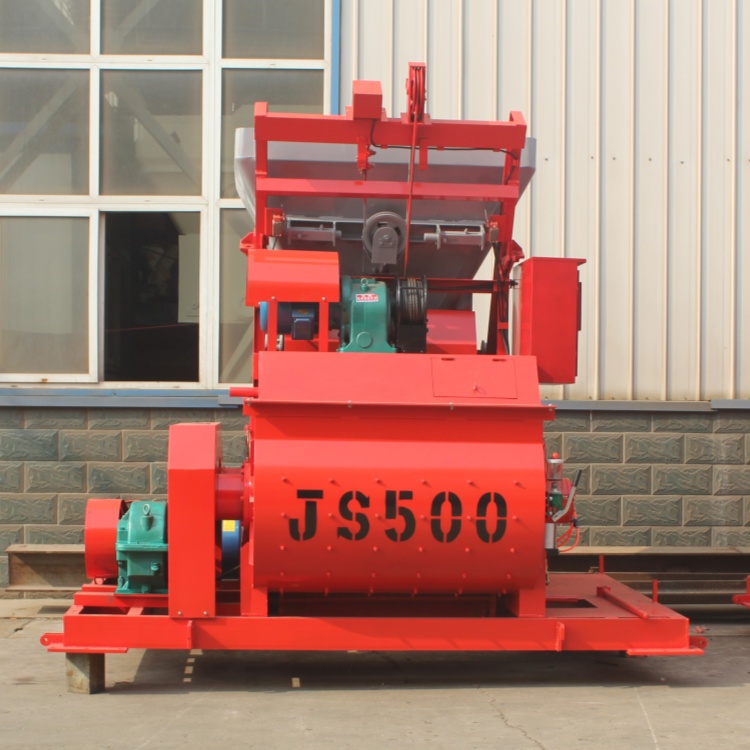
Shaft Seal Integrity
The shaft seal where each mixing shaft passes through the mixer end wall is the single most vulnerable point in a twin shaft concrete mixer. Cement paste under pressure during mixing migrates along the shaft and into the bearing housing if the seal assembly — typically a combination of lip seals, labyrinth rings, and grease-purged chambers — degrades. Weekly bearing housing temperature checks with an infrared thermometer establish a baseline; a temperature rise of 10-15°C above the running baseline signals seal deterioration and incipient bearing contamination.
Annual Overhaul
The annual overhaul replaces all mixing arms and blades, shaft seals, trough liner plates in the high-wear zone (the bottom third of the mixer circumference), and discharge door seals. Hydraulic system oil and filters are changed. Drive motor couplings are inspected for misalignment. The gearbox oil is sampled for wear metals — rising iron or chromium levels in the oil analysis predict gear and bearing wear before vibration monitoring detects it. An annual overhaul for a twin shaft concrete mixer producing 60,000 cubic meters annually typically costs 15,000-25,000 in parts and labor, representing approximately 0.30-0.40 per cubic meter of production — one of the lowest cost-per-unit maintenance ratios in heavy industrial equipment.
Frequently Asked Questions
What daily maintenance does a twin shaft concrete mixer need?
End-of-shift high-pressure water washout of the mixing trough, shafts, arms, blades, and discharge door prevents concrete residue hardening. Grease all bearing lubrication points while the machine is warm. Visually inspect blade condition, discharge door seal integrity, and hydraulic hose connections. The entire routine takes 15-20 minutes and prevents the majority of unexpected failures.
How often should twin shaft mixer wear parts be replaced?
Mixing blades typically require replacement every 30,000-50,000 batches under normal aggregate conditions — approximately 8-14 months for a mixer producing daily. Trough liner plates in the high-wear zone last 50,000-80,000 batches. Shaft seals have variable life depending on operating conditions and grease purge maintenance, typically 12-24 months. Annual measurement and trend tracking provide the data for planned replacement before failure.
How do I check twin shaft mixer bearing condition?
Weekly temperature measurement with an infrared thermometer at each bearing housing establishes a running baseline — typically 45-65°C depending on ambient conditions. A sustained 10-15°C temperature rise above baseline indicates seal deterioration allowing cement paste ingress or lubricant degradation. Quarterly vibration analysis with a handheld accelerometer detects developing bearing faults before audible noise or temperature rise occurs.
What causes twin shaft mixer shaft seal failure?
Cement paste migration along the shaft under mixing pressure is the primary failure mechanism. Inadequate grease purge pressure at the seal — the grease must flow outward against the paste — allows paste to enter the seal assembly. Abrasive aggregate fines in the paste then wear seal lips within weeks. Daily grease purging with visual confirmation of grease emergence at the seal face prevents most seal failures.
How is twin shaft mixer blade clearance measured and adjusted?
Blade-to-liner clearance is measured weekly with a feeler gauge at multiple points along each blade edge. Normal clearance is 3-5 millimeters. When clearance exceeds 8-10 millimeters, the blade is rotated on its mounting arm or replaced. Uneven clearance across a single blade indicates arm bending from impact with oversized aggregate or tramp metal — the arm requires replacement, not just the blade.
What is included in an annual twin shaft concrete mixer overhaul?
Complete replacement of all mixing arms, blades, shaft seals, trough liner plates (high-wear zone), and discharge door seals. Hydraulic system oil and filter change. Gearbox oil sampling and change. Drive motor coupling alignment check. Electrical control panel inspection and contactor replacement. The overhaul typically requires three to five days of downtime and should be scheduled during a seasonal production low period.