 EN
EN


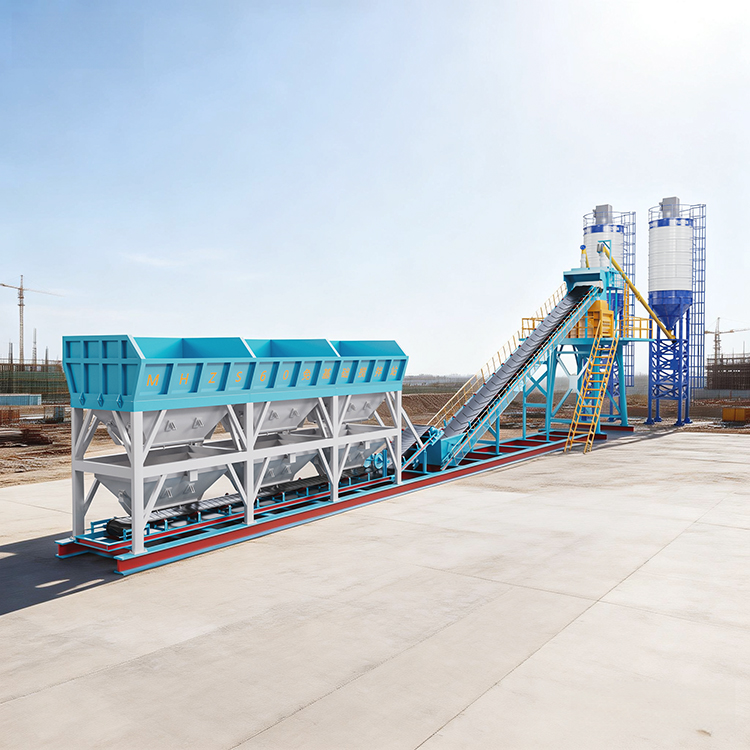
Why Concrete Plant Longevity Matters for Your Bottom Line
When managing heavy construction assets, unexpected equipment failure is the ultimate profit killer. Over years of field engineering and supervising large-scale batching operations, we have consistently observed that the lifespan of heavy machinery depends entirely on proactive engineering management rather than reactive repairs. For any contractor investing in a high-capacity stationary concrete batching plant, maximizing operational uptime is not just about keeping a schedule; it is about protecting a massive capital investment. Industry benchmark data from major civil engineering associations indicates that well-maintained batching facilities operate efficiently for over fifteen years, whereas neglected units suffer critical structural fatigue within half that time. Achieving this level of longevity requires a blend of rigorous mechanical oversight, smart material handling, and adherence to proven operational best practices.
Daily Inspections That Prevent Costly Downtime
The foundation of any effective maintenance strategy lies in disciplined, day-to-day visual and functional inspections. Operators working with a stationary concrete batching plant must treat daily walk-arounds as non-negotiable rituals. Key focal points include checking the twin-shaft mixer gearbox oil levels, inspecting pneumatic cylinder seals for pressure leaks, and verifying that aggregate weigh hoppers are free from material buildup that distorts calibration. Experience from numerous field audits shows that nearly seventy percent of major mechanical breakdowns stem from ignored minor anomalies, such as a vibrating bolt or a slightly misaligned conveyor belt. By training site personnel to catch these early warning signs during morning pre-check routines, engineering teams can entirely bypass catastrophic mid-shift failures that stall entire project timelines.
Smart Material Management for Reduced Mechanical Stress
Material flow dynamics play a massive, yet often underestimated, role in determining the operational wear rate of heavy machinery. Pumping abrasive aggregates and harsh chemical admixtures through a stationary concrete batching plant creates constant friction against internal mixing arms and discharge gates. To mitigate this, plant managers must carefully calibrate batch sequences, ensuring that water and fine aggregates enter the mixing chamber ahead of coarse crushed stone to cushion the impact forces. The table below outlines how optimized material sequencing directly reduces component stress and extends equipment durability across standard operational cycles.
| Operational Approach | Traditional Unoptimized Method | Optimized Sequence Method | Mechanical Wear Reduction |
| Aggregate Charging | Simultaneous raw dumping | Staged water-first introduction | 35% less drum wall abrasion |
| Powder Dosing | High-speed pneumatic blast | Regulated gravity-fed injection | 40% less filter backpressure |
| Mixing Speed | Constant maximum RPM | Variable torque modulation | 25% less gearbox fatigue |
Selecting High Durability Replacement Parts
Eventually, even the most robust industrial systems require component replacements, making the choice of spare parts a critical factor in long-term asset health. Sourcing high-grade metallurgical components specifically designed for a stationary concrete batching plant ensures that replacement parts match the original factory tolerances and wear resistance. Standard off-the-shelf commercial steel often fails prematurely under the intense abrasion of high-strength concrete mixes. Opting for specialized chrome-moly alloy wear plates and tungsten-carbide-coated mixing paddles drastically alters maintenance intervals. The comparative lifecycle metrics below demonstrate the clear financial and operational advantages of utilizing premium certified manufacturing components over generic alternatives.
| Component Type | Generic Replacement Part | Premium Certified Component | Average Operational Lifespan |
| Mixer Paddles | Standard manganese steel | Hardened chromium alloy | 3x longer wear resistance |
| Discharge Liners | Regular carbon steel plates | Tungsten-carbide composite | 2.5x extended replacement cycle |
| Screw Conveyor Flights | Thin-gauge mild steel | Thickened abrasion-resistant steel | 2x improved structural integrity |
Precision Automation to Eliminate Human Error
Modern heavy manufacturing relies heavily on sophisticated programmable logic controllers to govern mechanical cycles and eliminate human operational error. Integrating advanced automation into a stationary concrete batching plant ensures that mixing times, water-cement ratios, and discharge velocities remain perfectly uniform across thousands of consecutive batches. Human operators occasionally override safety margins or rush batch intervals under tight project deadlines, resulting in severe motor overloads and structural stress. Automated control suites actively monitor real-time motor amp draws and halt operations immediately if aggregate jamming occurs. This digital oversight not only guarantees consistent batch quality and structural compliance but also preserves the structural longevity of heavy-duty drive assemblies.
Building Resilient Operations with Trusted Manufacturing Partners
Securing the long-term productivity of heavy civil engineering projects ultimately begins with choosing the right equipment manufacturer and supply chain partner. A durable stationary concrete batching plant is the product of rigorous metallurgical engineering, precise fabrication capabilities, and comprehensive global logistics support. Mixerplant delivers cutting-edge structural design, customized fabrication, and reliable international supply chain solutions that empower contractors worldwide to scale operations with confidence. By combining robust industrial manufacturing with expert engineering support, businesses can maximize equipment uptime, control operating expenses, and achieve sustainable growth across every concrete production cycle.