 EN
EN


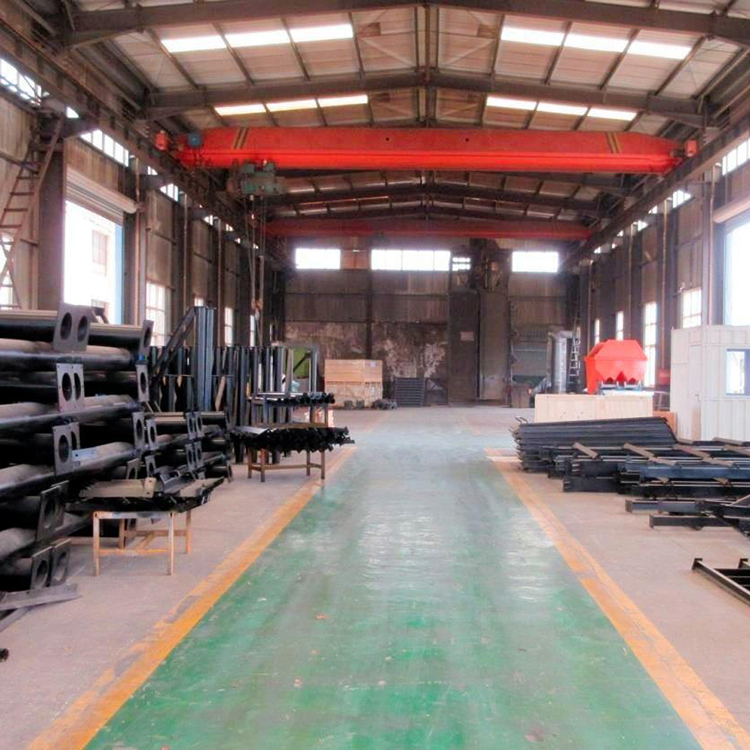
A single concrete mixer machine can draw from several cement silos at once, provided each silo feeds through its own screw and valve into a shared weighing hopper. The mixer itself never pulls cement; a batching system meters each stream, then drops the total into the drum. Specifying a concrete mixer machine for multi-silo duty starts with the screws, not the drum. Understanding that split answers the question before any steel is ordered.
A Quarry Site Ran Four Silos Into One Mixer Without Cross-Feed
How the Feeding Layout Was Solved
A limestone quarry needed three cement types and a fly-ash line through one stationary plant. The team mounted four 100-ton silos in a row, each with a 219 mm screw aimed at a common inlet above the concrete mixer machine. Pneumatic slides stayed closed except during their own batch window, so type A never touched type B. That concrete mixer machine never saw mixed cement because the logic isolated each line. A diverter logic in the controller opened one screw at a time, which kept the recipe honest across 240 m³/h. The silos shared a single concrete ring beam, which simplified the pad and cut civil cost on the quarry floor.
What the Output Showed
Cube tests stayed inside tolerance for six months because the concrete mixer machine received a clean total, not a mixed trickle. The operator logged each silo's draw on the screen, and any over-weight tripped an alarm before discharge. The concrete mixer machine also ran quieter with staggered screw starts, since only one motor surged at a time. A second quarry that skipped the separate valves saw type cross-talk and had to flush a silo, which the first site avoided entirely by spending on four screws instead of two.
How a Concrete Mixer Machine Draws From Several Silos
The Screw Conveyor Branch Logic
A concrete mixer machine sits downstream of the weighing hopper, not the silos. Each silo runs its own screw conveyor and a knife gate or rotary valve at the throat. The batch controller calls one silo, opens its valve, and weighs to setpoint before the next opens. A concrete mixer machine on a shared line risks blend drift, which separate screws remove. Because the screws never run together into the same pipe, the mixer gets a measured sum rather than a blend that wanders batch to batch. Keeping each screw under a 40-degree incline protected the flight from bridging and held the cement moving at a steady rate.
Weighing Each Cement Stream Separately
A concrete mixer machine benefits most when each cement source carries its own load cell. The hopper reads type A, then type B, then filler, and the controller totals them before the discharge gate lifts. Yuzhixin Machinery builds this as a single skid, so calibration holds through relocation. For a concrete mixer machine, separate weighing also lets the mix report show exactly how much of each powder entered, which auditors and quality teams expect on big civils where the recipe is contract-bound.
What Standards Govern Multi-Silo Feeding
Dust and Explosion Controls
A concrete mixer machine fed by several silos multiplies the dust points that standards watch. ISO 8970 frames the inlet dust control, while NFPA 61 and ANSI guidance cover combustible dust in cement and fly-ash handling. OSHA 29 CFR 1910.272 expects bin level monitors and safe entry rules. The concrete mixer machine area still needs a rated collector at each silo throat. Sites that pipe each silo to a shared collector still need individual rotary airlocks, or a single clogged line spreads material back up the bank. A pressure relief vent on the collector satisfies most plant insurers and trims the alarm load during a dusty shift.
How to Specify, Install and Maintain a Multi-Silo Setup
Sizing Screws and Valves
A concrete mixer machine rated for 240 m³/h needs screws sized to the peak cement rate, not the daily average. Undersized screws stall the batch and the mixer waits, so match each screw to its silo's draw and fit a knife gate that seats tight. A concrete mixer machine that waits on a slow screw loses more than the screw costs in idle drum time. Pick valves with position feedback to the controller, because a valve the system thinks closed but is not will blend types and ruin a day's cubes before anyone smells the error.
Daily Checks and Common Faults
A concrete mixer machine on a multi-silo line lives or dies by the screws. Each morning, check screw bearing temperature, listen for a worn flight, and confirm the gate seats. The concrete mixer machine output stays steady only when screws are clean and vents are clear. A blocked vent on one silo pushes cement up the wrong screw, so watch the level lights. Grease the screw ends on the maker's hour meter. A Vietnam HZS240 running four silos logged two years with only seal swaps, because the crew logged screw checks before every shift. A monthly check of the rotary airlock seals stops fine dust leaking back to the valve seat and keeps the gate honest through the season.
A concrete mixer machine handles multiple silos well when the design respects the split. Four screws, four valves, and one honest weigh hopper beat two shared lines every time. A concrete mixer machine specified this way scales from two silos to six without a new drum. The saving is not in fewer parts — it is in clean recipes, steady output, and no silo flush that stops the plant for a day.
Frequently Asked Questions
Question
Can one concrete mixer machine take feed from four silos?
Answer
Yes, when each silo runs its own screw and valve into a shared weigh hopper above the mixer. The controller opens one silo at a time and totals the streams before discharge, so the mixer receives a clean measured sum. Four 100-ton silos feeding one stationary plant is a common layout on quarry and ready-mix sites that need several cement or fly-ash types in the same recipe.
Question
Why should each silo keep its own screw and valve?
Answer
Separate screws and valves stop one cement type from crossing into another during the batch. A shared line blends types the moment two silos open together, and the mix drifts out of spec. Knife gates with position feedback let the controller prove only one throat is live. The extra screws cost less than the silo flush and rejected cubes that a cross-talk fault forces on a busy plant running contract-bound recipes.
Question
How does the controller keep cement types from mixing?
Answer
The batch controller sequences the silos: it calls one, opens its valve, weighs to setpoint, closes, then opens the next. Because the screws never run into the same pipe at once, the hopper collects distinct streams. Load cells read each source on its own, and the mix report logs the exact mass from every silo, which gives quality teams a clear audit trail from raw powder to finished cube.
Question
What dust rules apply to a multi-silo line?
Answer
ISO 8970 frames inlet dust control, while NFPA 61 and ANSI guidance cover combustible cement and fly-ash dust. OSHA 29 CFR 1910.272 expects bin level monitors and safe entry rules. Each silo throat needs its own rated collector and rotary airlock, even when a shared baghouse serves the row, because a single clog can push material back up the bank and raise the explosion risk.
Question
Where should silos sit relative to the mixer?
Answer
Line the silos close to the weigh hopper so screw runs stay short and the cement drops straight in. Keep them on compacted, drained pads clear of the excavation edge, with safe access for the bulk tanker. A tight row also shortens the control cabling and cuts the surge load, since each screw starts against a near hopper rather than a long, lossy run that steals batch time from the mixer.
Question
Do separate weigh cells cost more than shared feeding?
Answer
Separate cells add some cost up front, yet they pay back through clean recipes and a proof-grade mix report that auditors accept without debate. Shared feeding looks cheaper but invites cross-talk, rejected cubes, and silo flushes that idle the plant for a day. On contract-bound civils where the powder split is recorded, the separate-cell layout is the lower-risk spend across the project life.