 EN
EN


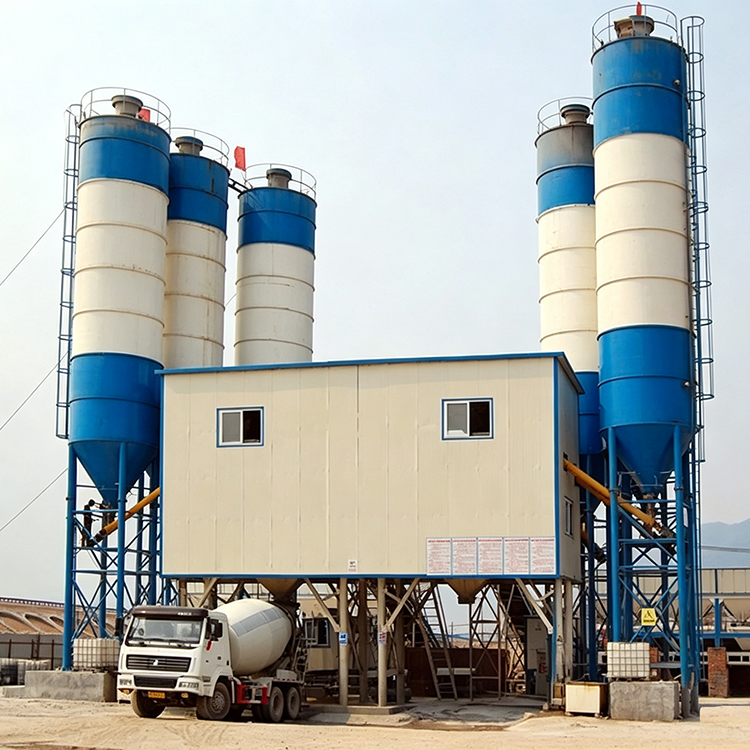
ለተመሰረተ የፕሪካስት ምርት ለመምረጥ የተሻለውን ማሽን መግቢያ
የተለየ የፕሪካስት ኮንክሪት ማምረቻ ቤት ውስጥ የሚገኝ የአሁኑ ጊዜ ቴክኖሎጂ የተመሰረተ የማሽን ሥርዓት እንዲህ ያለ አካባቢ ነው፡ ትክክለኛነት በቀጥታ የገቢ ተጨማሪ ይፈጥራል። ሲሆን የማሽን ኦፕሬተሮች ወደ ሙሉ በሙሉ የተመሰረተ የማሽን ሥርዓት ወደ አዳዲስ ቅደም ተከተል የሚያስተዳድሩበት ጊዜ፣ እያንዳንዱ ክፍል በተሳካ ሁኔታ ማስተዋል አለበት ለማቆያ ከፍተኛ የማምረቻ መጠን እና የስትራክቸር የተረጋጋ ሁኔታ። የትክክለኛውን ኢንዱስትሪያል ሚክሰር መምረጥ በዚህ ስርዓት ውስጥ በጣም አስፈላጊ የሆነ የውሳኔ ነጥብ ነው። ከፊールድ የተካሄደውን ማዘጋጃ እና የማሽን በመጀመር ላይ ያሉ ፕሮጀክቶች እንደ የሚያሳዩት፣ የተመሳሳይ ስላምፕ እና ከፍተኛ የቀዳሚ ጠንካራነት ለማግኘት የቀድሞ የተቀመጠው የእንቅልፍ ነገር በተጠናቀቀ ሁኔታ ለማቀላቀል በጣም ወሳኔ የሆነ ነው የማስተዋል ስርዓቱ በማስተዋል ስቴሽን ላይ ለመድረስ በፊት።
የአውቶማቲክ ስርዓቶች ዋና የቴክኒክ የሚፈለጉ ጥያቄዎች ግንዛቤ
የተውሸ የተሰራ የፕሪካስት ምርት በጥንቃቄ የተዘጋጅ ጊዜ ስርዓቶች ላይ ይሰራል፣ ስለዚህ ለቡና ውስብስብነት ወይም ለሜካኒካል ቀረታ አንድ ማንኛውም ቦታ የለም። በተለምዶ የሚሰራው የማሽን ማቀላቀያ መሳሪያ በዘመናዊ የፕሪካስት ኮንክሪት ፋብሪካዎች የሚፈልጉትን በተከታታይ እና በከፍተኛ መጠን የሚሰራ የማሽን ሂደት ለማከናወን በጣም ጠንካራ ሁኔታ ይገድዳል። የኢንዱስትሪ ምሁራን በከፍተኛ ጥንካሬ የተሰራ የግርብ ቤት፣ በጣም የሚቆረጡ የሊኒንግ ፔላት እና ከፍተኛ ትውርኩ የሚሰጡ የማሽን ክፍሎችን ማግኘት አለባቸው። እነዚህ የቴክኒካል ባህሪያት የማሽን አካላት ከፍተኛ ከፍተኛ ኮንክሪት የማሽን ማቀላቀያ የሚሰራ በጣም ጠንካራ ኮንክሪት የማሽን ማቀላቀያ የሚሰራ እና በፍጥነት የማይሞቱ ወይም በቅድሚያ የሚበላሽ የሜካኒካል ስራ አይደሉም፣ ስለዚህ የሙሉው የተውሸ የተሰራ የምርት መስመር በተሻለ ሁኔታ ይሰራል።
ለፕሪካስት መተግበሪያዎች የፔላኔታሪ በተቃራኒው የትዊን ሾፍት ማቀላቀያ መሳሪያዎች የሚገኙ ነገር
በቅድመ-ተሰራ ኮንክሪት ፋብሪካ ማስተካከል ሲጀምሩ፣ የሚስራው ሰዎች በአጠቃላይ የሁለት ግድግዳ የሚቀላቀሉ የኮንክሪት መቀላቀያ መሳሪያዎችን ከፕላኔታዊ መቀላቀያ መሳሪያዎች ጋር ይወዳደራሉ። የሁለት ግድግዳ የሚቀላቀሉ የኮንክሪት መቀላቀያ መሳሪያዎች በፍጥነት የሚፈጠሩ ትልቅ መጠኖችን ለማዘጋጅ በጣም ጥሩ ናቸው፣ እና በተቃራኒ አቅጣጫ የሚሽከረከሩ ግድግዳዎችን በመጠቀም ለትልቅ የስትራክቸር አካላት የሚያስፈልጉ የሙቀት ሁኔታ ያለው ሦስት አቅጣጫ የሚቀላቀል እንቅስቃሴን ይፈጥራሉ። በተቃራኒው፣ ፕላኔታዊ መቀላቀያ መሳሪያዎች የተሻለ የቀጥታ እና የአግድም የተከፋፈለ አካል መገናኛ ይሰጣሉ፣ ስለዚህ የչተሞላ ኮንክሪት፣ የአርክቴክቸር አካላት እና የተለየ ቀለም ያላቸው ኮንክሪቶች የሚሰራሉበት ሁኔታ የሚያስፈልጉ የተሟላ የተዋሟ የተመሳሳይነት ለማድረግ በጣም ጥሩ ናቸው። የኮንክሪት መቀላቀያ መሳሪያውን የቅድመ-ተሰራ ኮንክሪት ፋብሪካው የተወሰነ ምርት ዝርዝር ጋር በትክክል ማጣመር የአጋርጌት አሸዋ ማድረግን ያስተካክላል እና የስትራክቸር አፍታዎችን ያቀንሳል።
የሙቀት ቁጥጥር እና አውቶሜሽን ሳንሰሮች የተቀናጀ
የዘመናዊ አውቶማቲክ ሥርዓት በቀላሉ የሜካኒካል ማቅለሽ አይዶች እና የውጭ በረራዎች በላይ ይ goes። እውነተኛ የምስራቅ አውቶኖሚ ለመድረስ፣ የማቅለሻ ስርዓቱ በአውቶማቲክ የውሃ ግንዛቤ መሳሪያዎች እና የእጅግ ማዕከላዊ ቁጥጥር ክፍሎች ጋር በአሁኑ ጊዜ የሚገናኝ አለበት። የሚክሮዌቪቭ የውሃ ግንዛቤ መሳሪያዎች በቀጥታ የማቅለሻ ቱቦው ውስጥ ተሰርዝተው የውሃ አካል በቀጥታ ያለማጣራት ይችላሉ፣ እንዲህ እንደ አውቶማቲክ ስርዓቱ ለእያንዳንዱ ቡና የውሃ መጨመር በራስ-ሰር ለመስተካከል ይረዳል። ይህ የስላምፕ ቁጥጥር ጋር በተያያዘ የተደረገ የተወሰነ ግምት ይሰርዝታል፣ እና ለእያንዳንዱ ሞልድ በፕሪካስት ኮንክሪት plant ውስጥ ተመሳሳይ የስራ ችሎታ እና የማስተዋል ባህሪያት ያላቸው ኮንክሪት ይሰጣል።
የንግድ ዋጋ እና የረጅም ጊዜ የሥራ ውጤታማነት ከፍ ማድረግ
በከፍተኛ አፈፃፀም የሚቀላቀል ቴክኖሎጂ ላይ ኢንቨስትመንት በቁሳቁስ ጥቅም ማገናገን እና በድብል መቀነስ በኩል በቀጥታ የንግድ ጥቅሞችን ይሰጣል። በትክክል የሚቀላቀል አሃድ በከፍተኛ ደረጃ የሲሜንት ክርስታሎች ስለ ማራቆች ማስወገድ ያስችላል፣ እያንዳንዱ የማሽን ኦፕሬተር የሚፈለገውን የጨረቃ ግፊት ኃይል ለማሳካት እና የሲሜንት መጠን ለማደራጀት ያስችላል። ተጨማሪም፣ በተረጋጋ የሚሰራ የቀላቀል መሳሪያ የማይታወቀውን የአገልግሎት ዕረት በከፍተኛ ደረጃ ያቀንሳል እና የጠቅላላው የተግባር ክፍያዎችን ያቀንሳል። ለתחרות ያለው የቅድመ-ተሰራ ኮንክሪት ምንጭ፣ ይህ በቀላሉ የማምረት ዘመን እንዲቀንስ፣ በሜትር ኪዩቢክ የዋጋ እንዲቀንስ እና በፍጥነት የገንዘብ ኢንቨስትመንት ይመለስ ይቻላል።
የኢንጂነሪንግ ምርታ እና የግ lobal የአቅርቦት አጋርነት
የጠንካራ የማቀናባት መፍትሄዎችን ማቅረብ የሚያስፈልገው ጥሩ የማምረት ደረጃዎች፣ የተሻለ የሜታል ምህንድስና ሂደቶች እና የተረጋገጠ የአለም አቀፍ የሎጂስቲክስ ድጋፍ ነው። የመሪ የኢንዱስትሪ ማምረት የምርት ስሞች የስነ-ምህንድስና ልምድ ዓመታትን በጥንካራ የጥራት ቁጥጥር አሰራር ጋር በማዋሃድ ለአለም አቀፍ የፕሪ-ካስት ፋሲሊቲዎች የተለየ የማቀናባት ስርዓቶችን ይሰጣሉ። በሙሉ የተሟላ የসupply chain እና በተለየ የቴክኒካል እርዳታ የሚደገፍ በመሆኑ የተረጋገጠ የኢንዱስትሪ መሪዎች እንደ AIMIX በከፍተኛ የክفاءት መሳሪያዎች በከፍተኛ የኢንዱስትሪ ሁኔታዎች ውስጥ የረጅም ጊዜ የሚቆይ ስራ ለማድረግ የአለም አቀፍ ደንበኞቻቸውን ያገለግላሉ።